INTRODUCTION
The Towards Action project was a two-year initiative (2024-2025) supported by the European Union’s Youth mobility funding.
It focused on civic engagement, exploring agency and active citizenship. Participating in collective processes with new forms of action, it aims to shed light on how people can influence changes. The project is rooted in creating space for new possibilities and coexistence, built on experimentation and continuous learning. It emphasizes embracing the process of learning as a community, to shape our common future.
Under the project we organised a great amount of different events full of learning opportunities, places for dialogues and for initiating and taking roles. The project aimed to reach and bring together young people from different backgrounds and from different places in Finland. We organised activities in four cities around Finland (in Helsinki, Turku, Tampere and Oulu), aiming to lower the threshold to participate.
Main goals
The project aimed to create inclusive activities and spaces that foster new experiences,
shared learning, and collective imagination.
It brought young people together to reflect, build community, and explore questions of agency, justice, and alternative futures — by combining diverse skills, ideas, and ways of being to support a more holistic understanding of
what is possible and how the future could look like.



THEMES
For each of the four themes, the project organised a study circle and an action weekend. The study circles consisted of multiple sessions and took varied forms, including reading groups, workshop series, and hybrid formats. Each was organised by different facilitators, providing valuable insights into diverse learning approaches.
The action weekends were weekend-long, camp-style gatherings held in different cities across Finland. They combined co-learning activities, workshops, shared responsibility, and informal social interaction, and were organised in collaboration with local organisations, activist movements, and practitioners. Young people were actively involved in planning, and open calls via social media expanded participation and opportunities to take on roles.
While the project followed clear objectives, its structure remained flexible and responsive, allowing participant feedback to shape activities and enabling young people to actively influence both content and implementation.
ACTIVITIES
ACTIVISM
The Spring -24
“Communities, connections, and action”
Study group 1/2024, Helsinki
6 sessions
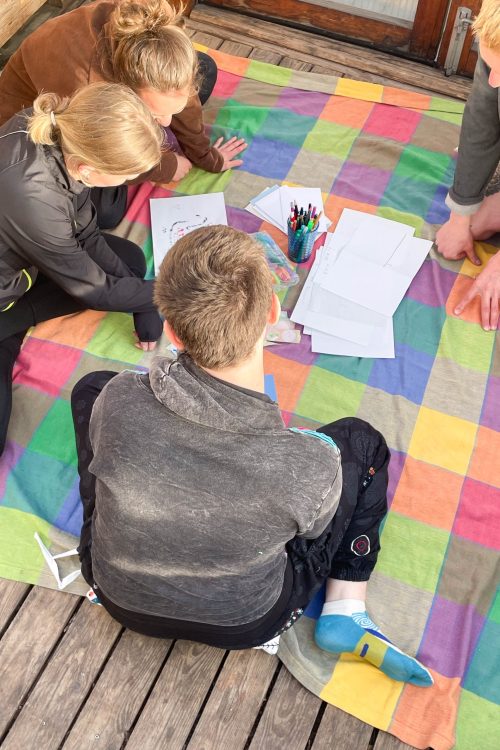
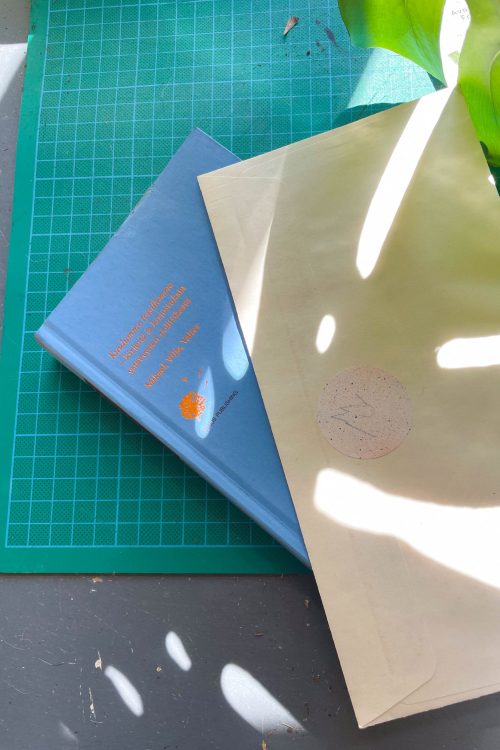
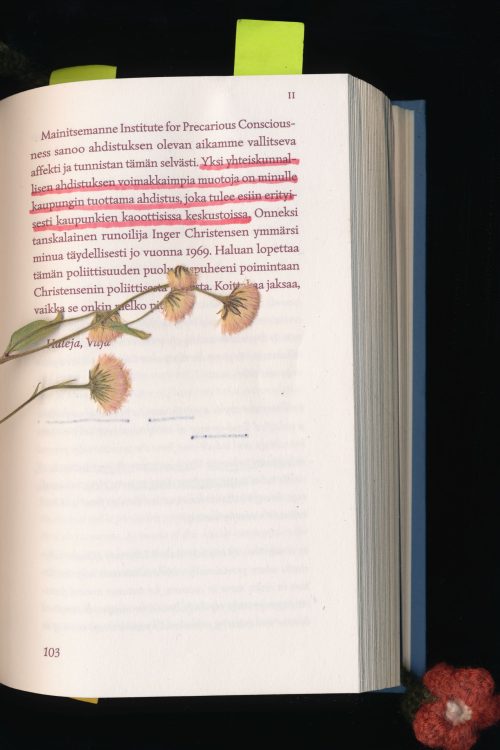
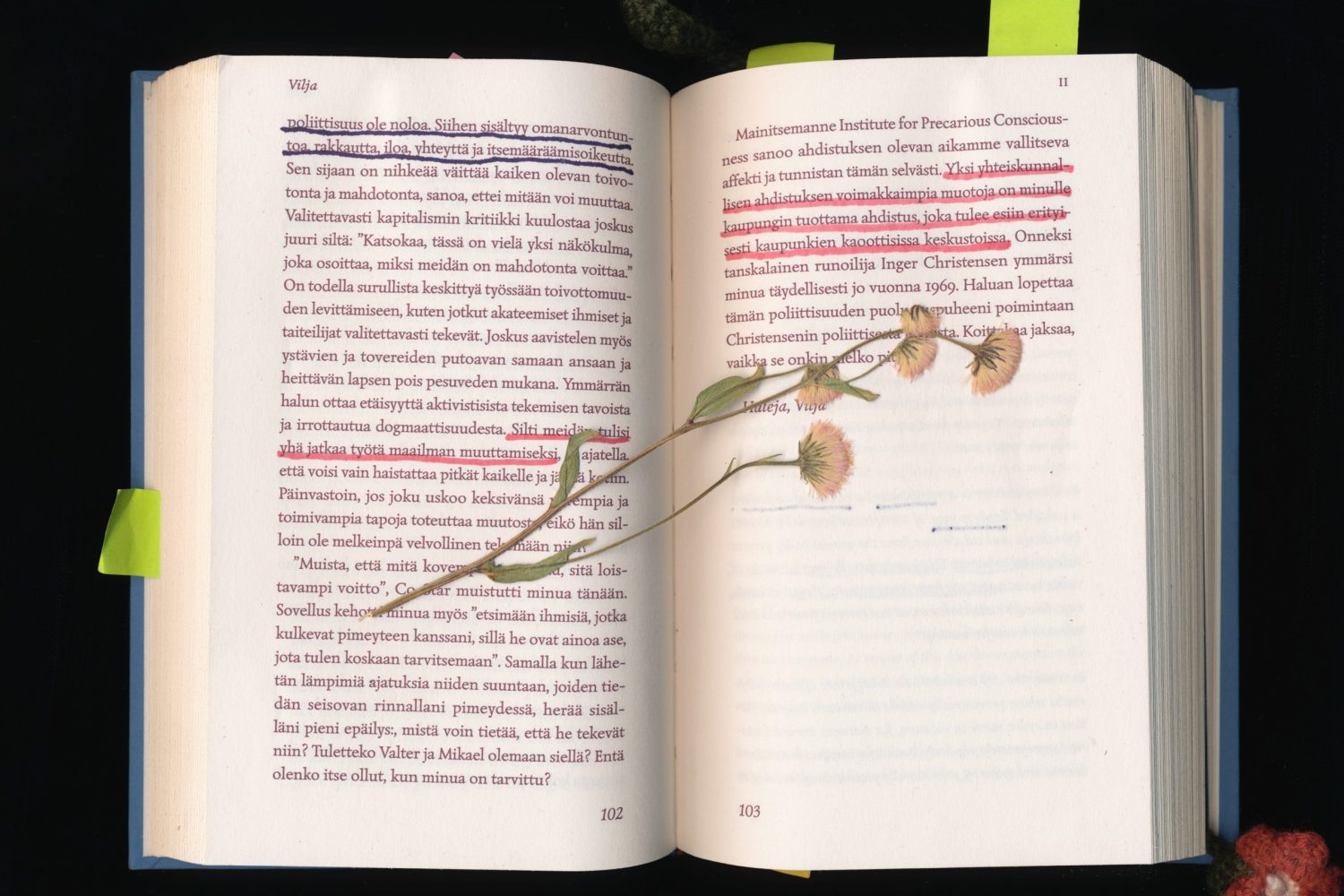
Our first study circle took place from February to May, meeting every other week. This circle focused on radical friendship, communities, and the significance of community as a foundation for change. These themes were explored through gatherings filled with discussions, questions, shared experiences, and ideas. A cornerstone of our study circle was the book We Belong to Each Other – Letters and Writings on the Politics of Friendship.
We Belong to Each Other – Letters and Writings on the Politics of Friendship is a book by Mikael Brunila, Vilja Saarinen, and Valter Sandell, based on their correspondence and addressing friendship and sharing on both personal and theoretical levels. It was published in 2023 by the Finnish independent publisher Khaos Publishing. We warmly thank Khaos Publishing for their support in making the study circles possible! The book guided us into discussions that became catalysts for the formation of community, the development of trust and a sense of belonging, and countless eye-opening conversations!
The Action weekend, May 3-5
Elävän Kulttuurin Koroinen, Turku
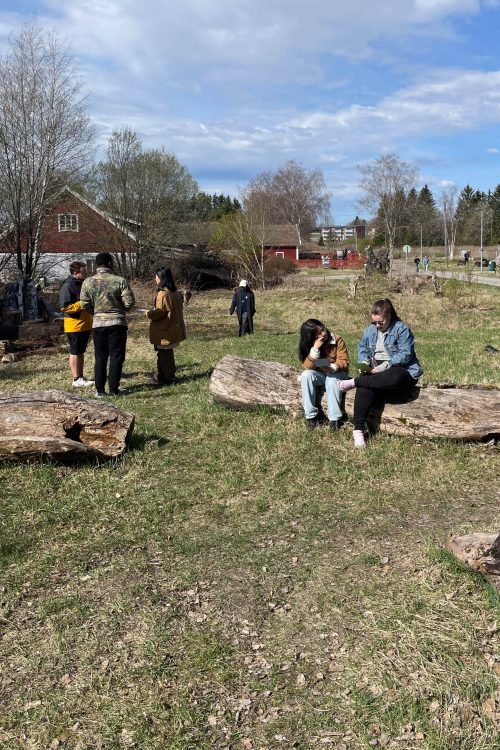
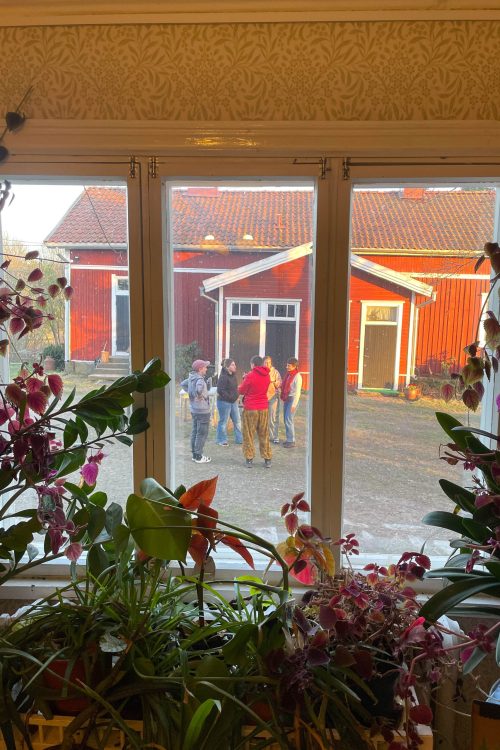
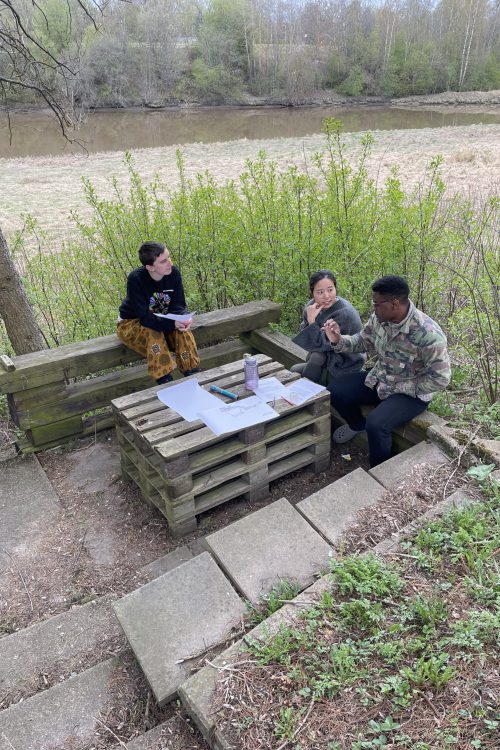
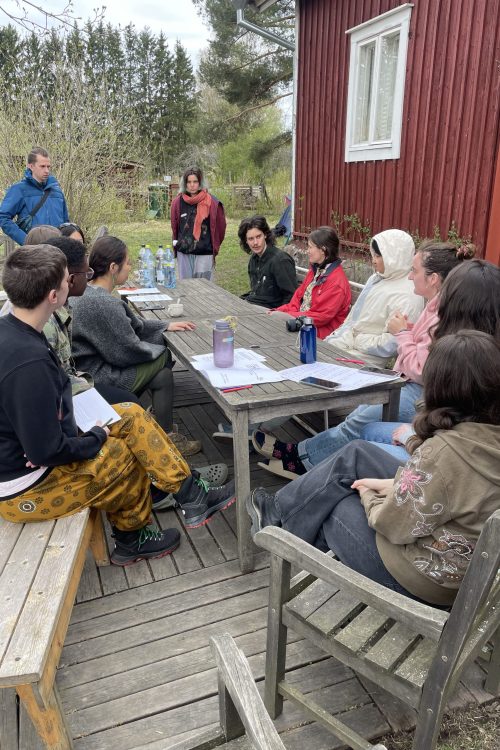
The project’s first action weekend took place at Elävän Kulttuurin Koroinen in Turku from May 3–5, coinciding with the awakening of spring in southern Finland.
The weekend was organized in collaboration with Elävän Kulttuurin Koroinen, Koroisten Maailmanpyörä, and artists who curated a human rights-themed art exhibition called Seeds Are Sprouting as part of the event. We had planned a comprehensive program to explore the diverse intersections of activism in a multifaceted way. Various organizations contributed to making this possible, including Somor Sur, Elokapina, and Amnesty Finland.
The entire weekend unfolded in the stunning surroundings of the Koroinen farm, blending workshops with rest and recovery, sauna sessions, and communal meals. Meals, dishwashing, and maintaining order were handled collectively, allowing everyone to contribute according to their abilities. We extend our heartfelt thanks to all the organizations and individuals who helped make this incredible weekend a reality—this would not have been possible without you!
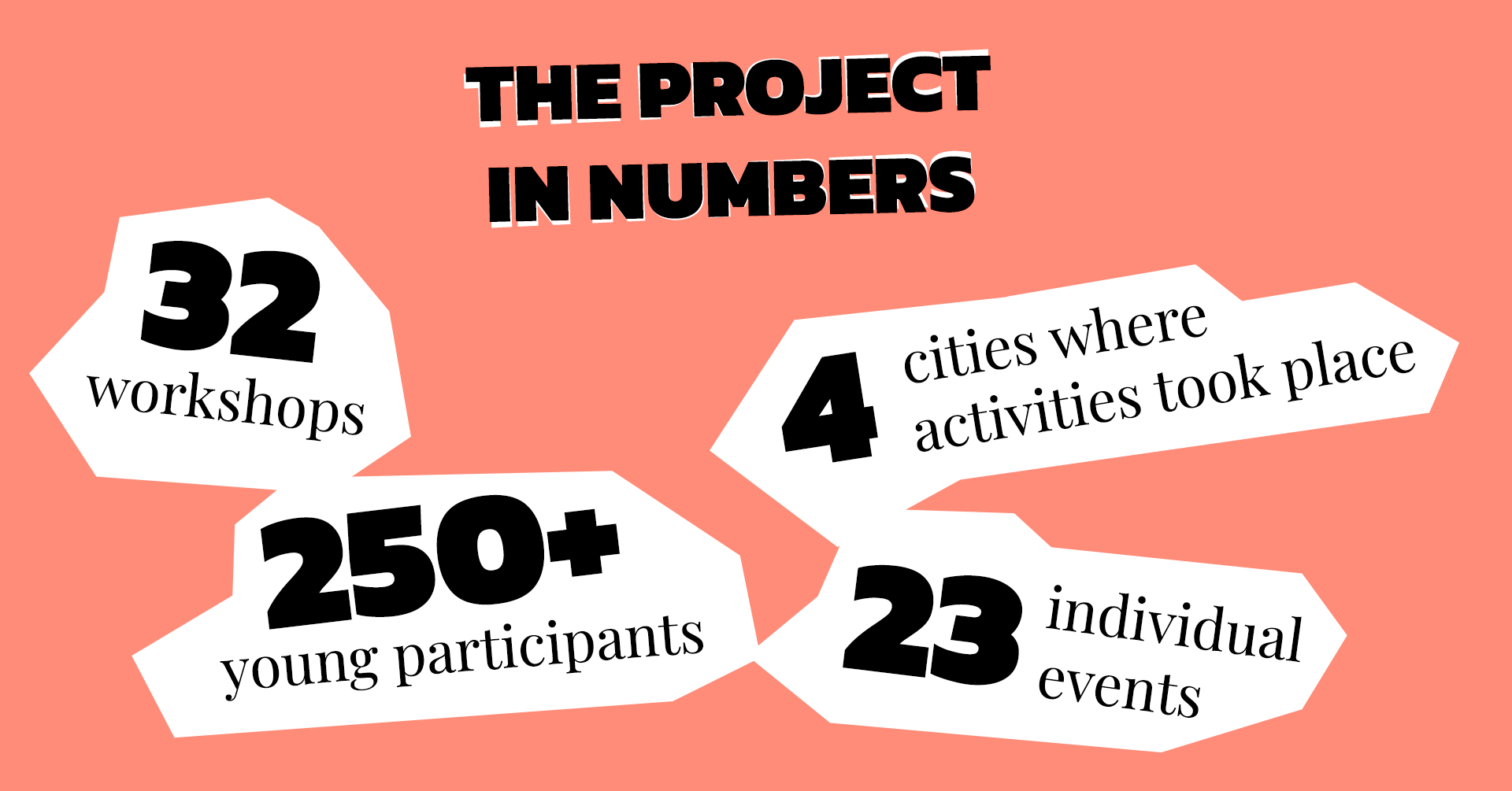
A total of 16 young participants attended the action weekend. Participants stayed actively connected after the event, and based on feedback, it seems the weekend was a resounding success. From the organizers’ perspective, this was the first time we held a larger event outside Helsinki, and it was incredibly rewarding to see the weekend’s content spark discussions and encourage participants to view issues from new perspectives.This first action weekend also gave us renewed inspiration to explore additional ways to bring people together and create communal, unifying spaces.
ART
The Fall -24
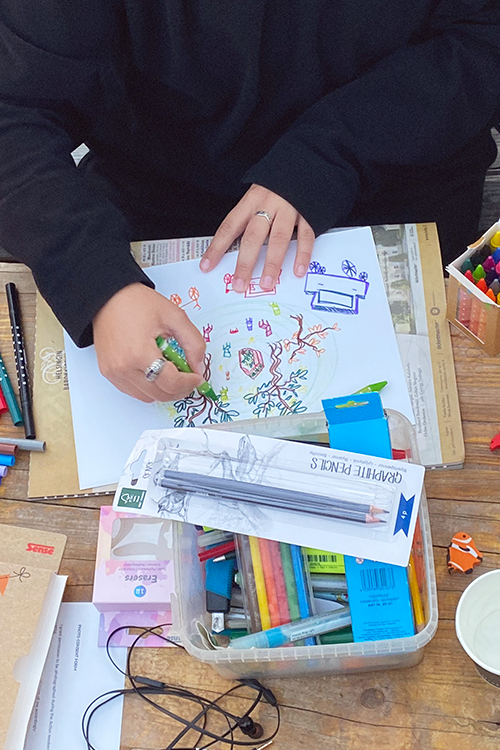
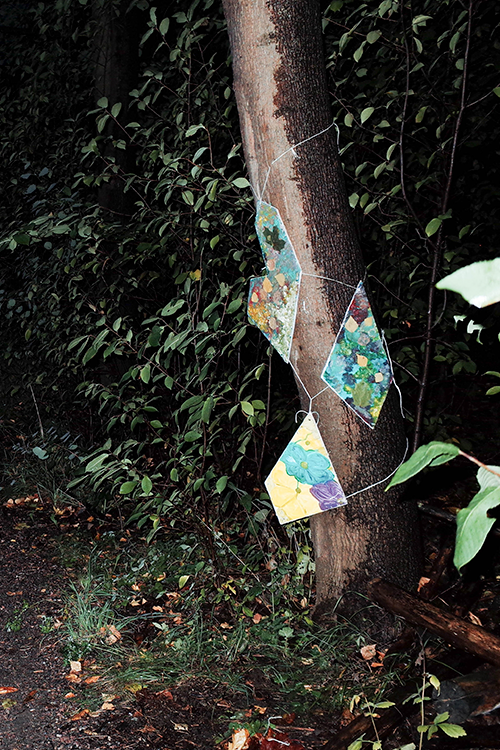
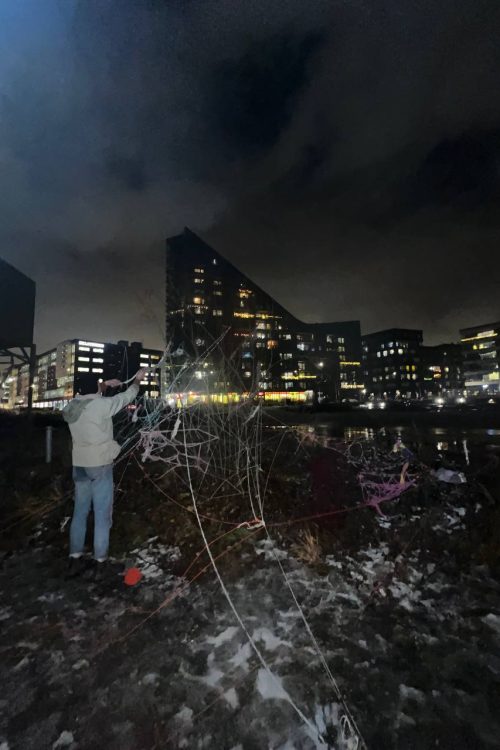
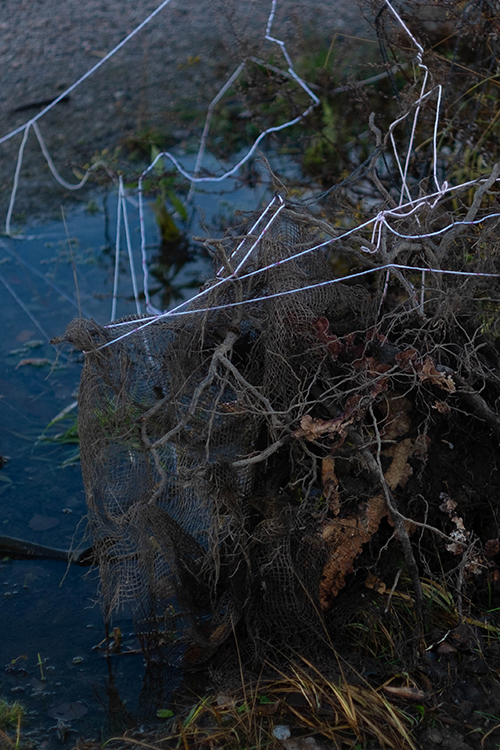
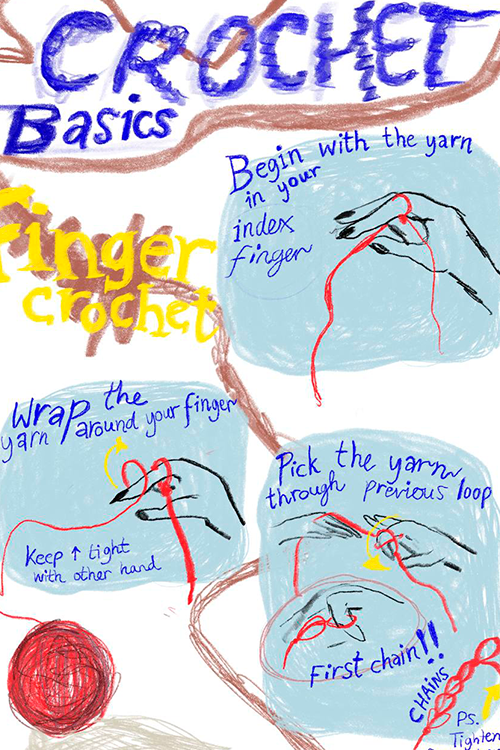
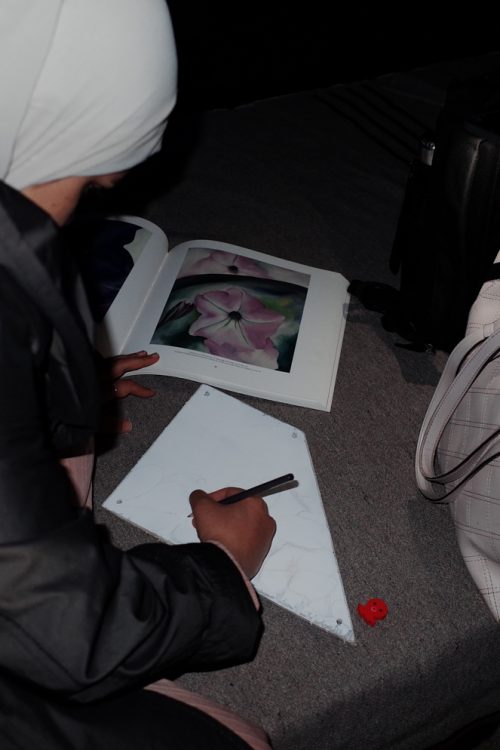
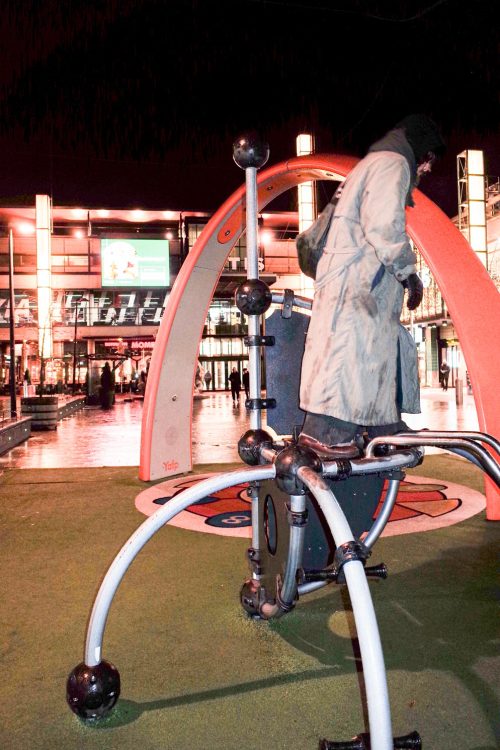
“Liminal Spaces”
Study group 2/2024, Helsinki
7 sessions
A liminal space is something whose existence and function are not entirely clear. A too-small entryway without room to dress or store shoes is a good, everyday example of a physical liminal space—something in between that rarely captures attention. The concept of liminal spaces is abstract and open to interpretation, representing areas not tied to clear functions. These are also spaces where creativity and renewal often reside. This fall, the study circles focused on examining these spaces and experimenting with creativity and the experience of liberation.
The guiding principle for this Fall’s study circle was to act as a facilitator for action, offering new and even unexpected approaches, and exploring spaces where creativity and agency intersect. A liminal space is something whose existence and function are not entirely clear. A too-small entryway without room to dress or store shoes is a good, everyday example of a physical liminal space—something in between that rarely captures attention.
We wanted to bring in fresh perspectives and held an open call, which attracted a wide range of contributors to the project. One of the application questions was: “What do liminal spaces mean to you?” The responses and interpretations of this concept were surprising and diverse. Beyond physical spaces, liminal spaces were also identified as time (the present moment) and as emotional or embodied spaces emerging from social dynamics.
Ultimately, we developed a seven-session study circle series, partly based on proposals from the open call and partly by inviting collaborators familiar to Dodo. Throughout the Fall, liminal spaces, creativity, action, and agency were explored from various perspectives using diverse tools. Each workshop was held in a different location across Helsinki, chosen by the session facilitator.
The Action weekend,
October 27-29
Three locations in Pispala, Tampere
The autumn Action weekend was held in Tampere, Pispala. The weekend was organised in cooperation with Hirvitalo and Pethaus -among others- and a large part of the activities took place at these locations. Some of the workshops and other activities took place outdoors, in the beautiful scenery of Pispala. In contrast to the spring activities weekend, all activities this time were spread out over the Pispala ridge, in several different locations. This created a dynamic all of its own – allowing several activities to take place at the same time, but also creating a sense of fragmentation and complexity to the weekend. The first two Action Weekends of the project ended up being very different from each other.
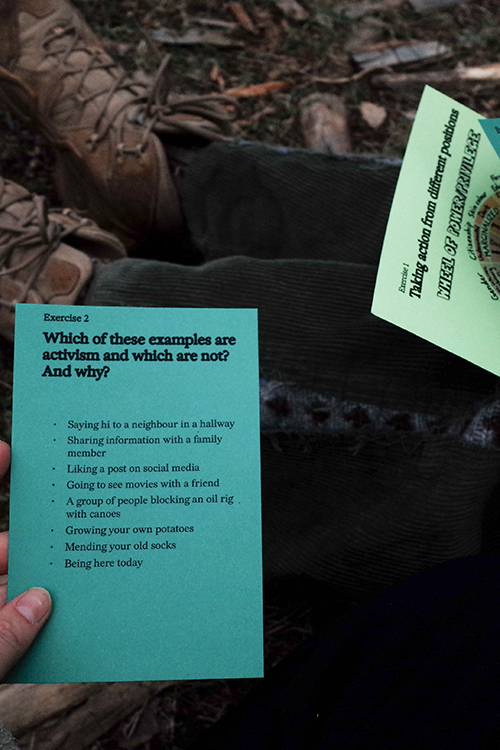
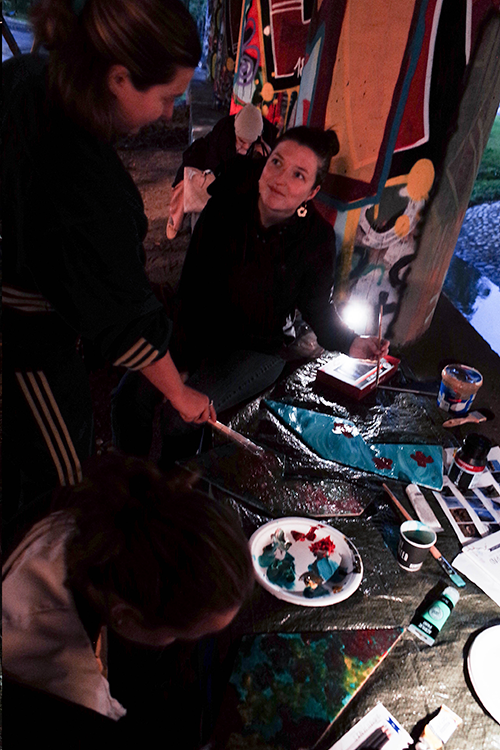
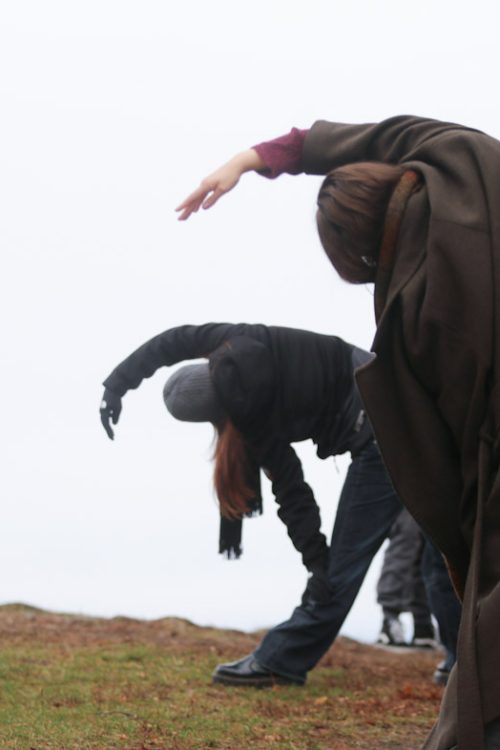
The workshops allowed participants to explore activism and creativity: they covered topics such as embodiment and somatics, small publications and the possibilities of self-making, legacies and traces and stories, visual art and media, different materials and the possibilities they create, community-based making and communities, and how we act as part of them. Below a small introduction to the workshops, which took place during the weekend.
We were able to create a whole where aspects of art and agency were addressed in a broad and diverse way – made possible by all the artists who offered their expertise and practice in the open call, as well as the experts found through Dodo’s activities. We would like to thank separately each workshop organiser, the hosts, as well as the volunteers and workshop leaders involved – and of course each and every participant! We hope that everyone who participated left with new ideas, inspiration and some tools to explore their own agency through art.
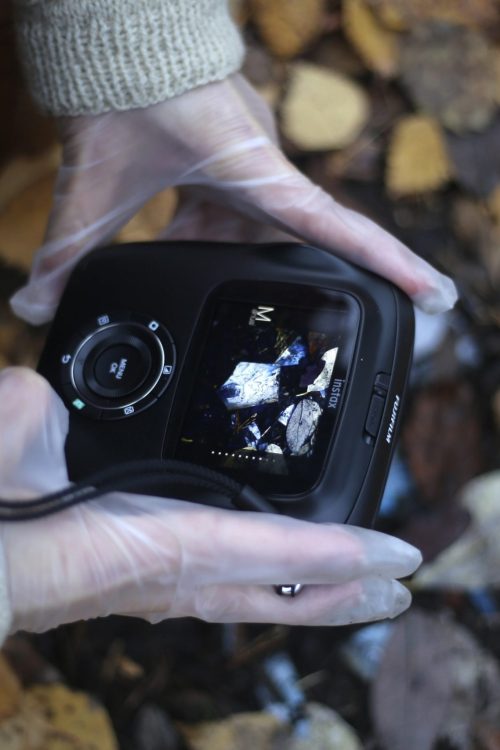
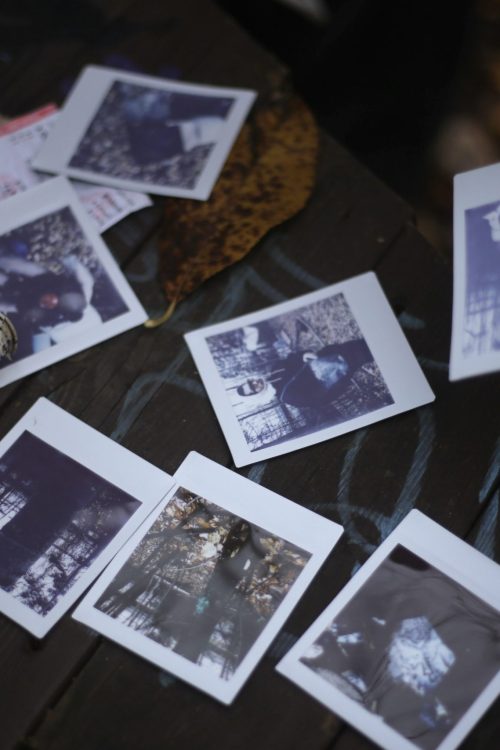
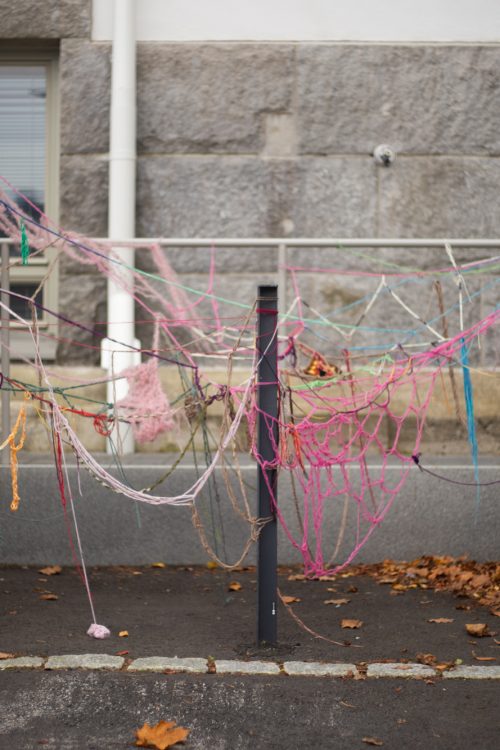
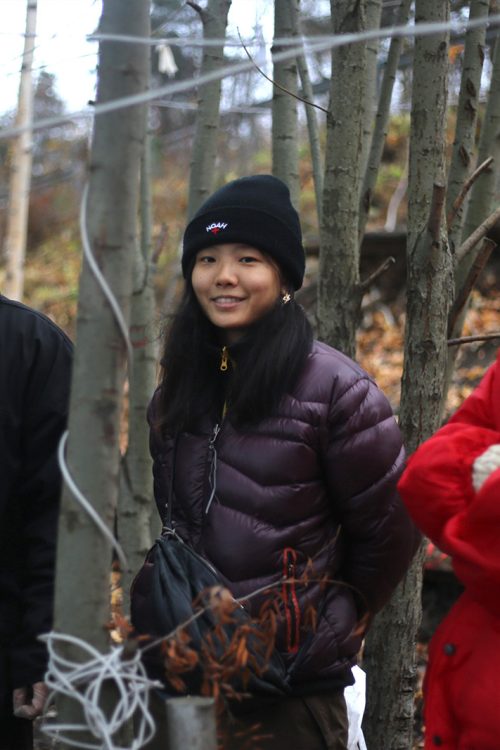 picture by Inkeri Jäntti
2025
DIRECT ACTION
The Spring -25
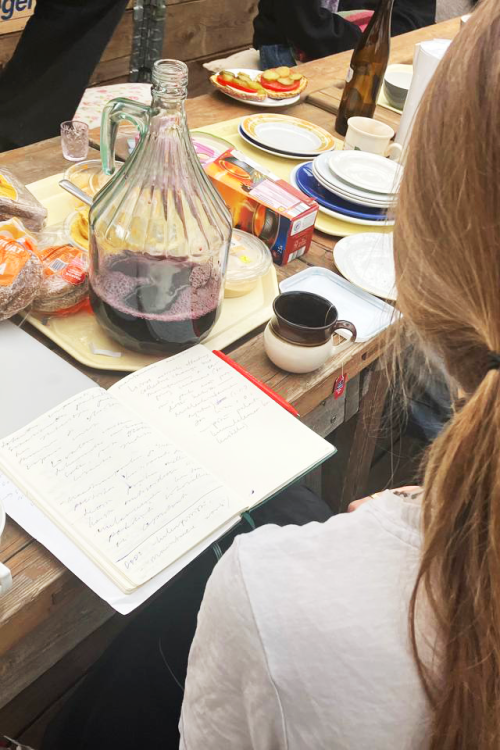
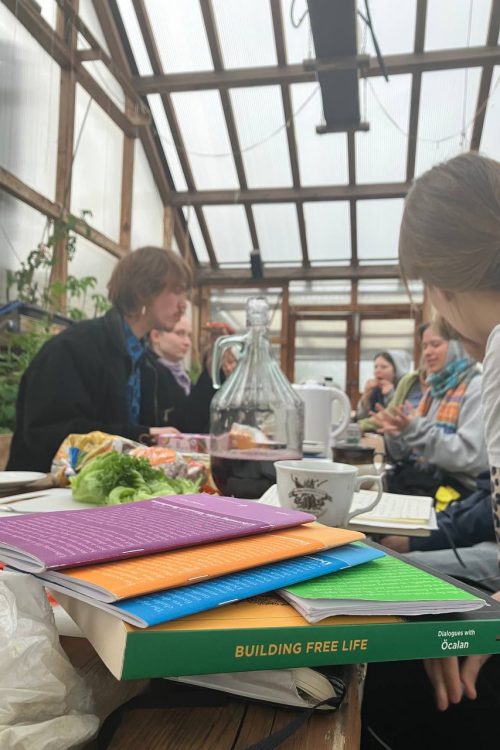
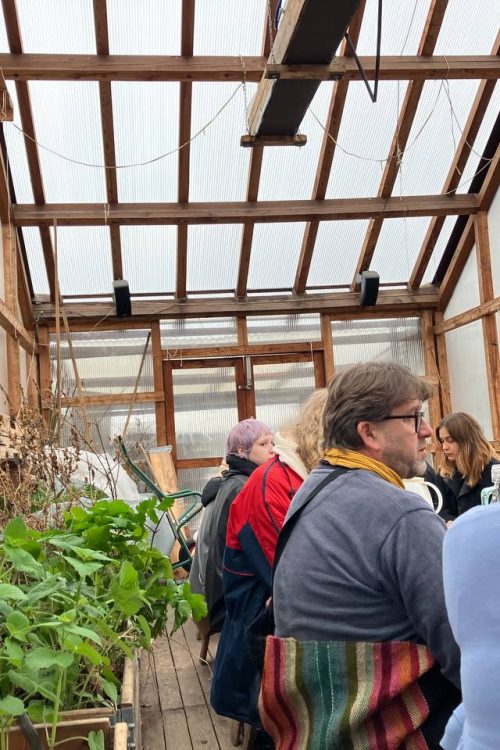
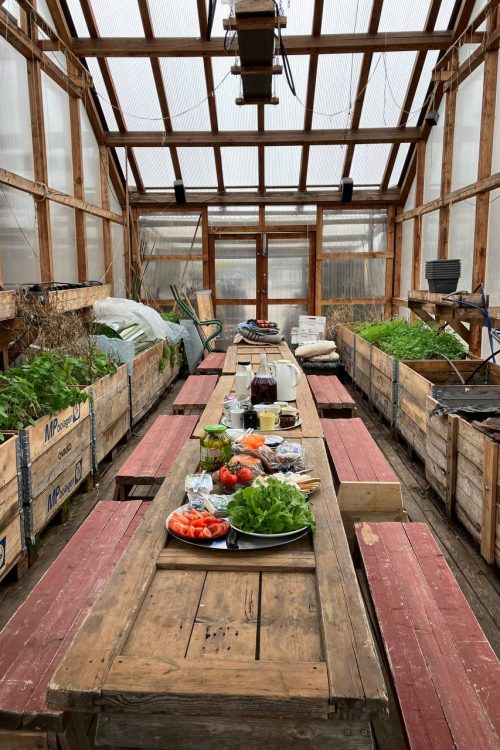
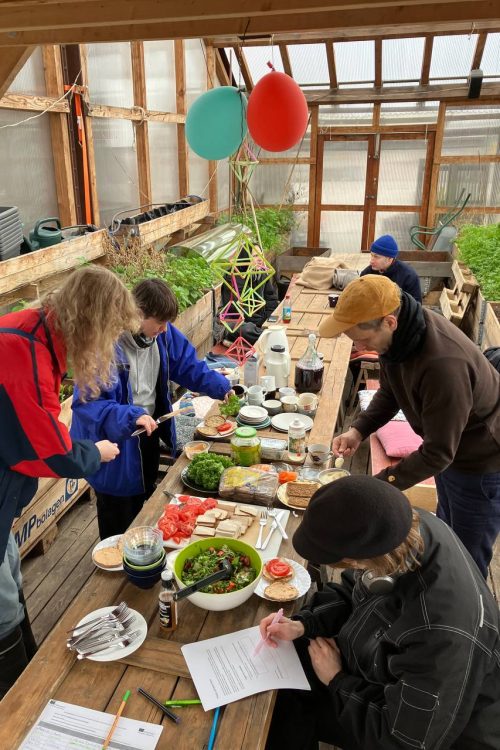
”When dusk falls — a study group about direct action”
Study group 1/2025, Helsinki
3 sessions
“When the dusk falls, the world looks different. The eye searches for new surfaces and the environment is drawn in new perspectives.” When dusk falls was a study circle consisting of three sessions about direct action. The purpose of the study circle was to come together around the theme to reflect and explore its different dimensions. To support the discussion, the study group used extracts from the book Suoraa toimintaa – Autonomiset liikkeet Suomessa 1986-2016 by Anton Monti and Pontus Purokuru. Each session of the study circle focused on certain themes from the book and specialists, related to the current theme, joining us!
In prevailing world situations, knowledge and experience are fragmenting and conversational connections are becoming differentiated. It is critical to create spaces that invite us to come together to listen to each other and imagine the possibilities of a good life. Direct action has been and will continue to be a critical part of democracy: through it we have achieved many of our fundamental rights. In this study group we reflected on the past, present and future forms of direct action and its potential. The goal was to make room for different views, listen to each other and learn together. Our three themes (1. occupations and squats, 2. animal rights and action, 3. global justice) were based on the book, but also on topicality and reoccurence.
The Action weekend,
May 16-18
Hietalinna, Oulu
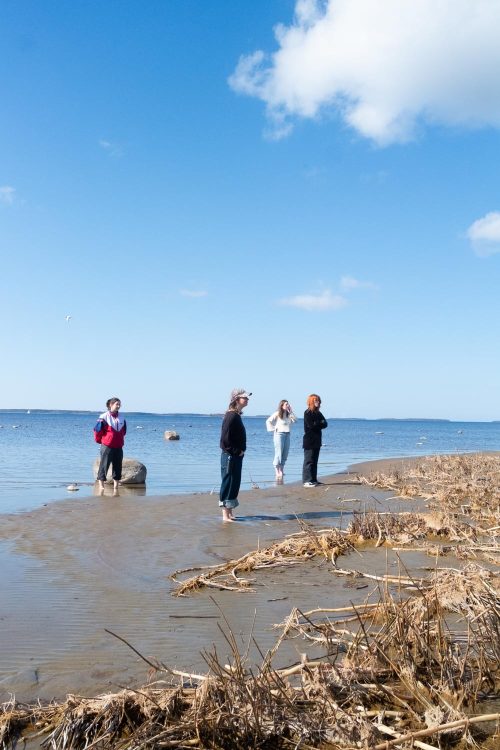
We stayed this beautiful Spring weekend at Hietalinna leisure house of the Finnish Red Cross. The place provided us a lovely setting for getting together and creating a warm and caring atmosphere.
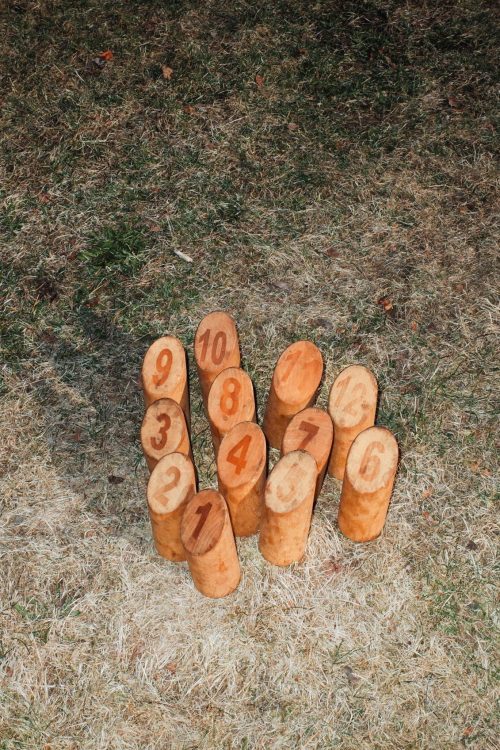
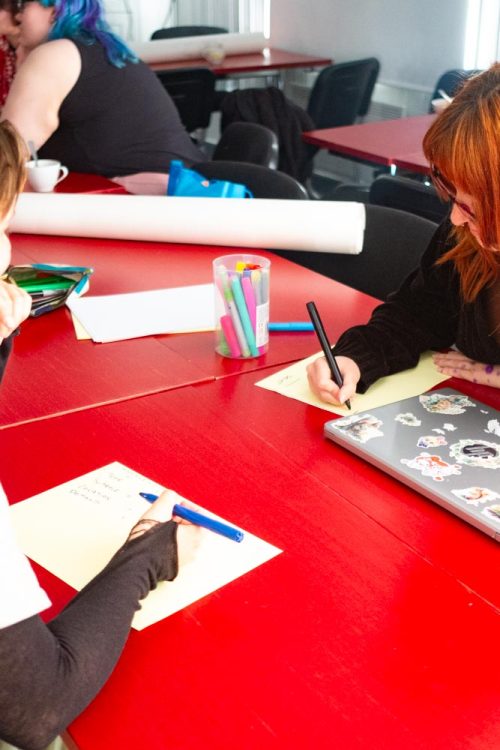
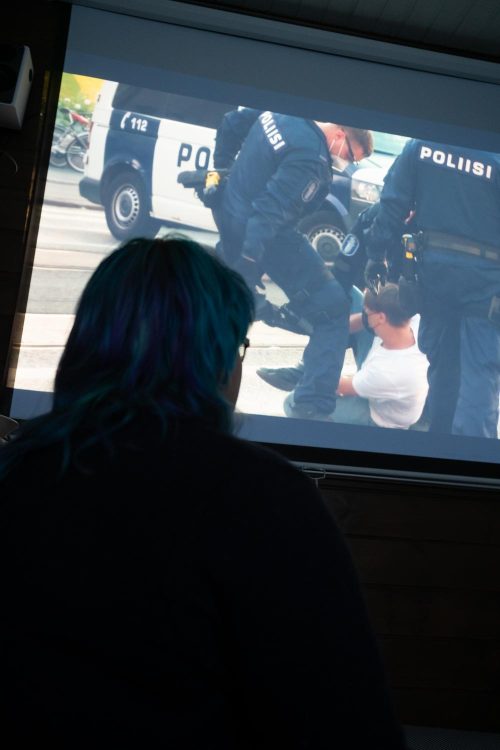
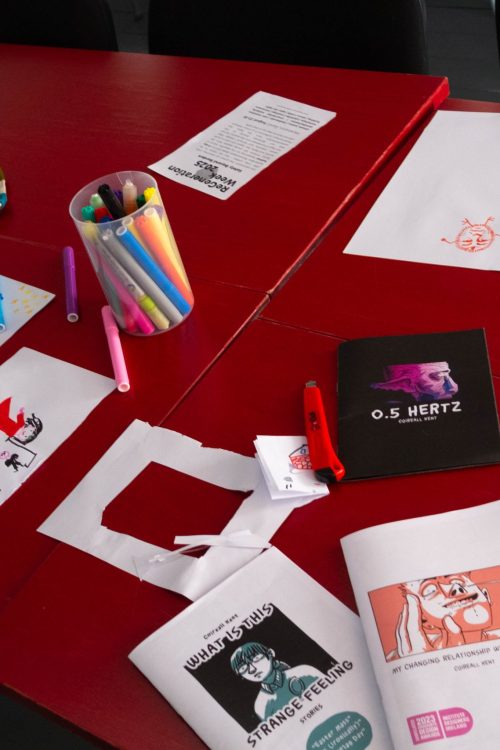
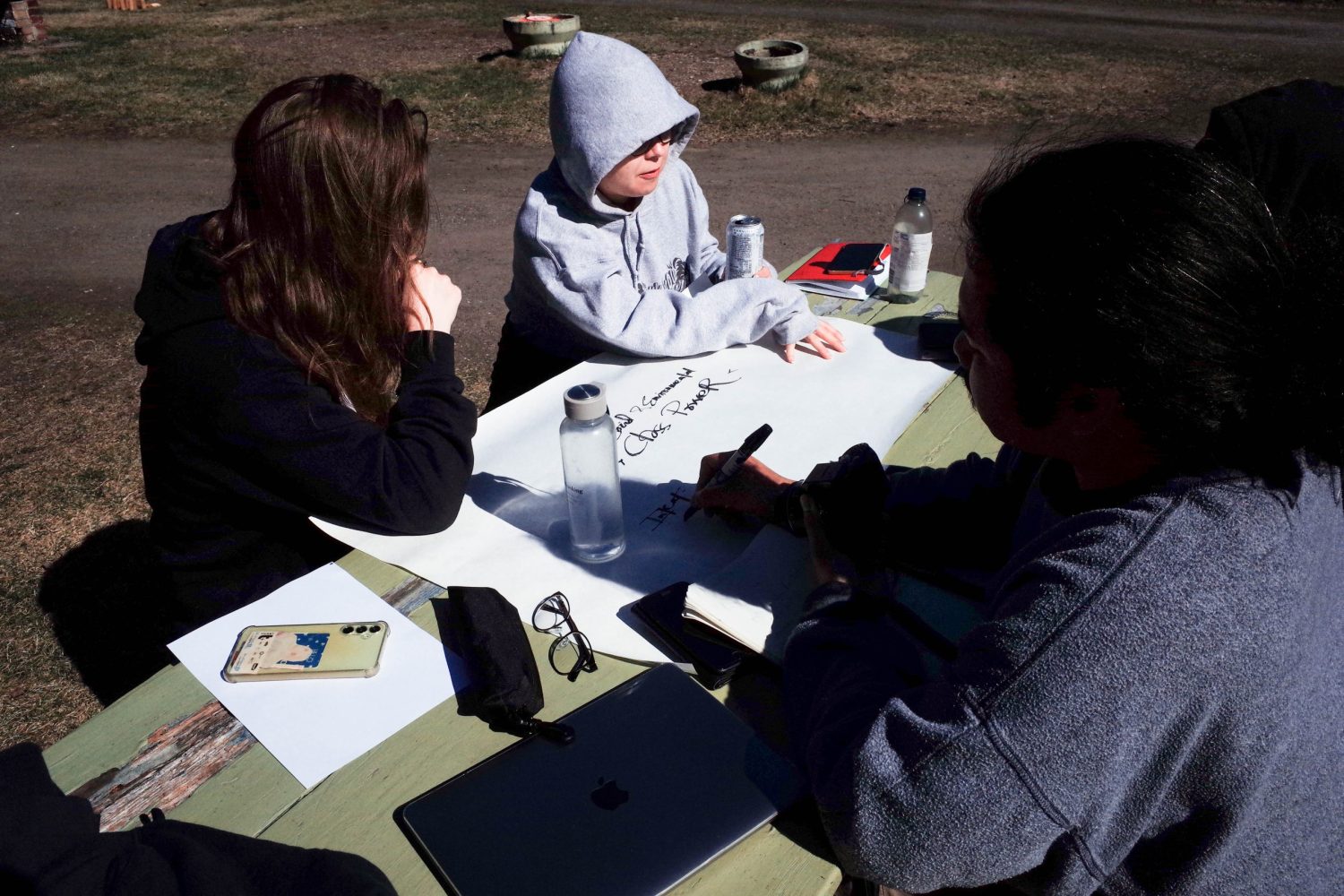
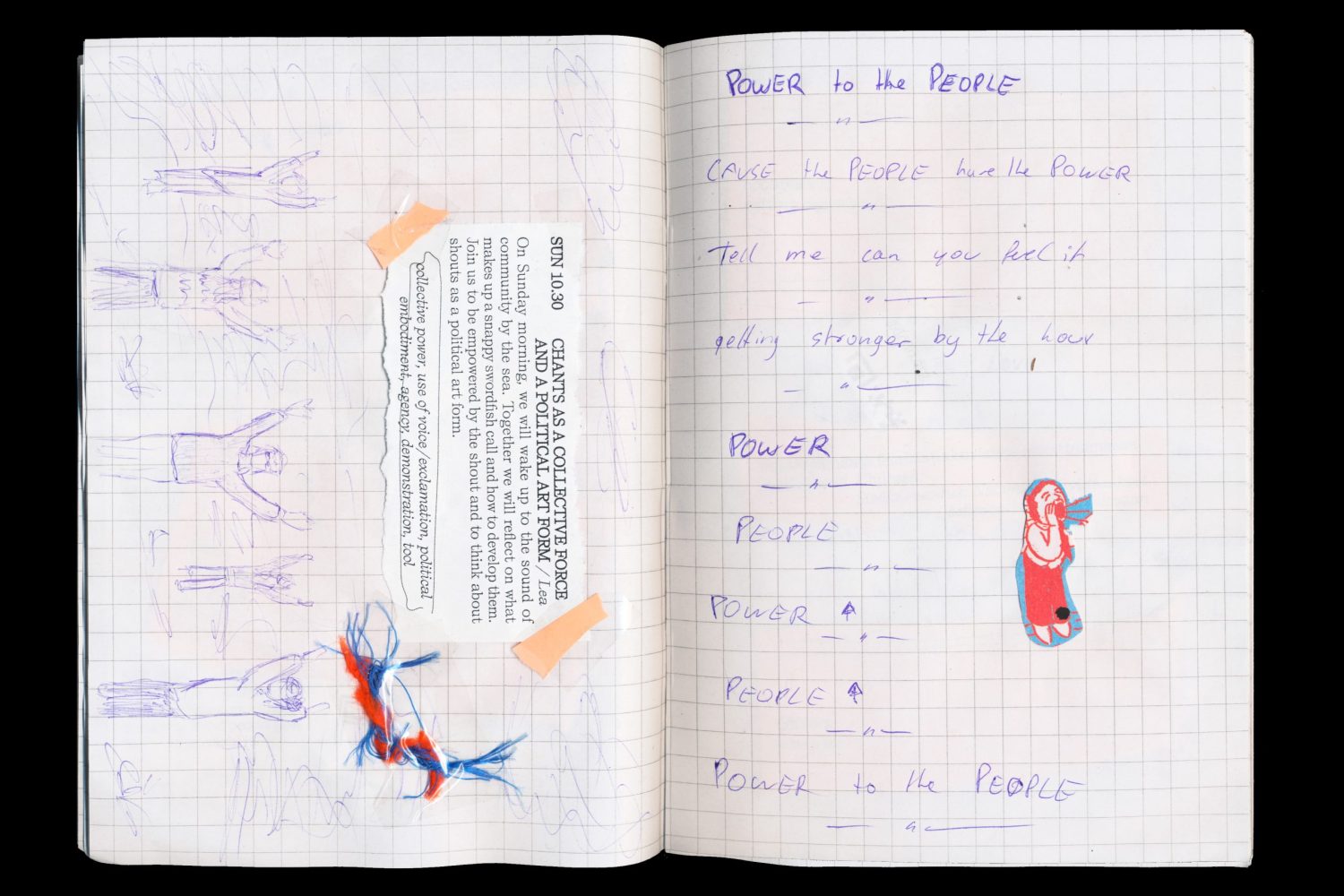
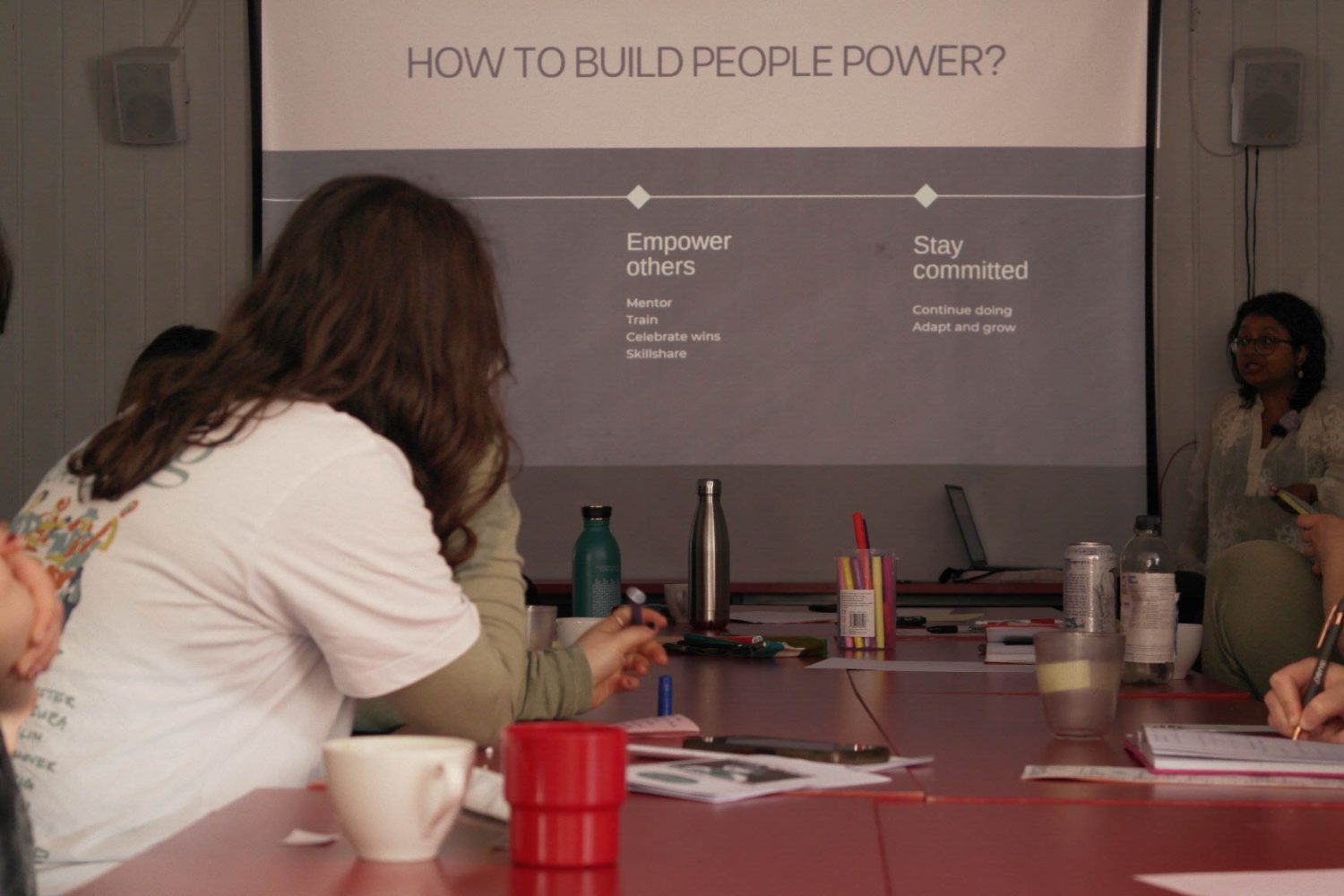
Also this time the Action weekend’s program was composed mainly from different workshops, and it also contained a direct action-themed movie night and some other interesting opportunities to inspect direct action in different lights. A big part of this weekend was made possible by our workshop facilitators, who all are involved to civic activism and are familiar with organising and planning actions on climate, human rights and social justice related struggles. We focused on action planning, chants and shouts, people power, artivism (=activist practices by using arts) and impactfulness in communications.
UTOPIAS
The Fall -25
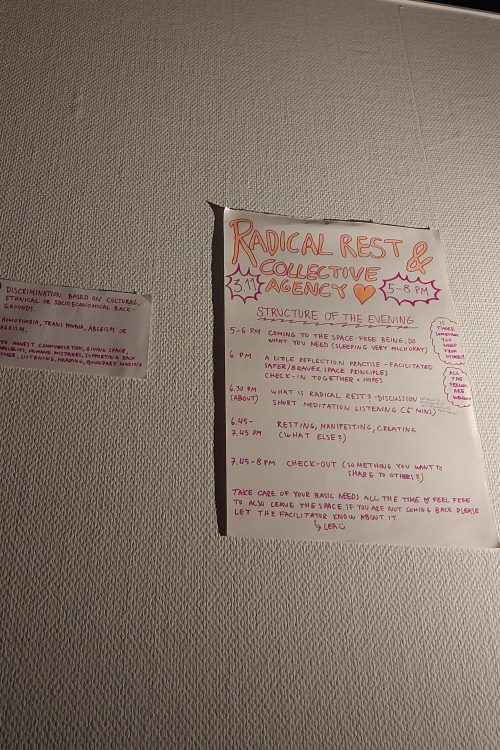
“Radical rest and collective agency”
Study group 2/2025, Helsinki
3 sessions
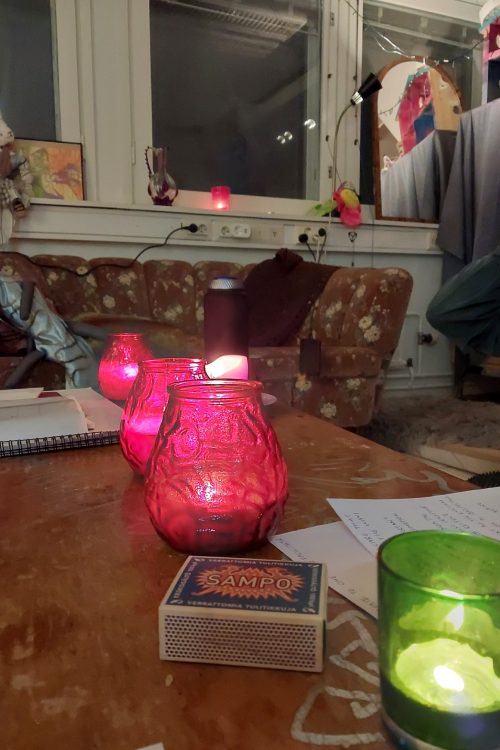
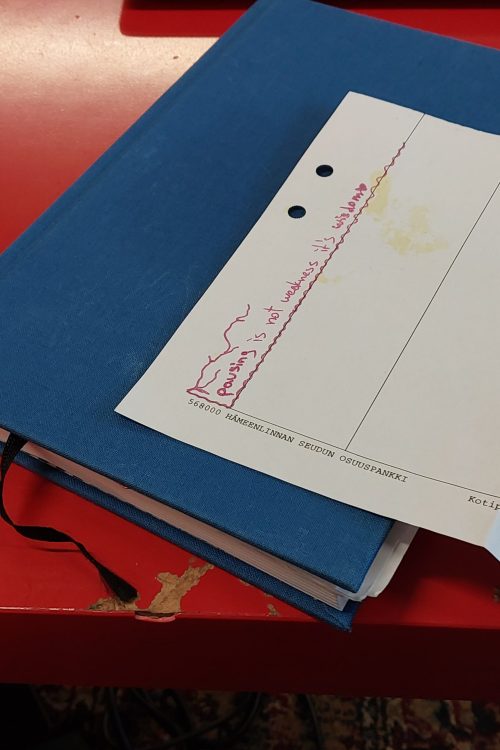
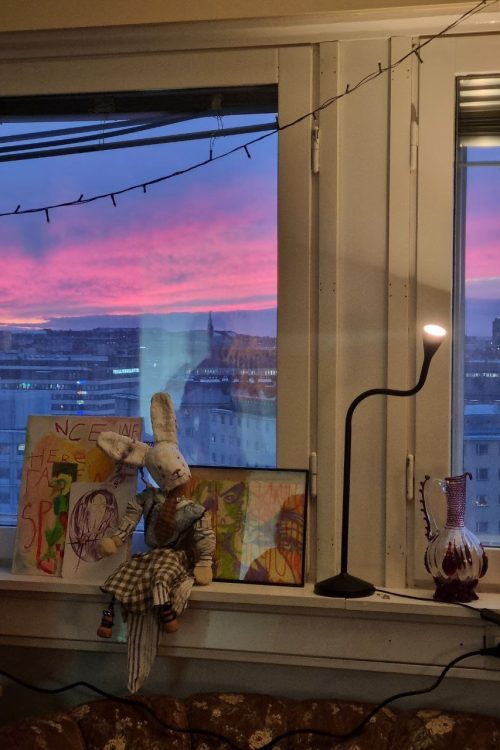
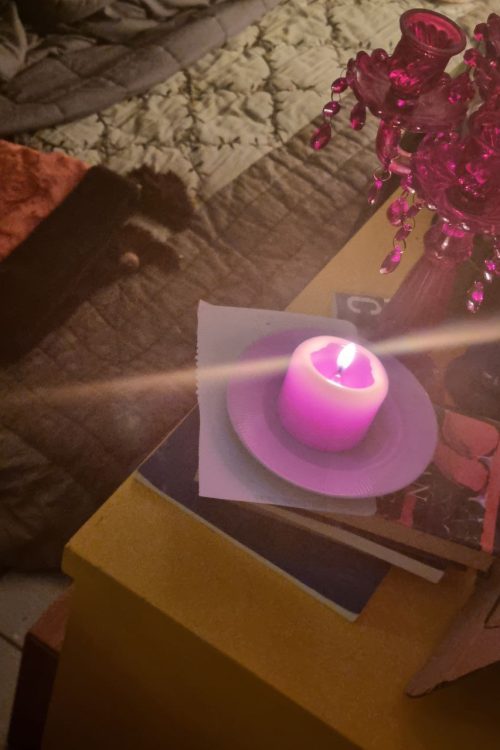
The purpose of the study circle is to create resistance to overconsumption through collective rest and creativity. This series of gatherings challenges traditional forms of education by offering an experimental, facilitated space for being together, pausing in a shared space, asking questions, and honesty. Instead of pressures, the goal is to create space for rest, sharing, creativity, and genuine encounters, where even challenging topics are not avoided. Participants are encouraged to explore the relationships and conflicts between action and rest in their own lives.
This study group focused on building a space for new kinds of social phenomena by relying on co-facilitation and organic structures which allow dialogue and a reflective, shared facilitation. The study group was very much liked by its partipants and it turned out there is a great demand for activities like this. The plan is to answer this demand by organising something similar in the future!
The Action Weekend,
November 7-9
Rauhanasema, Helsinki
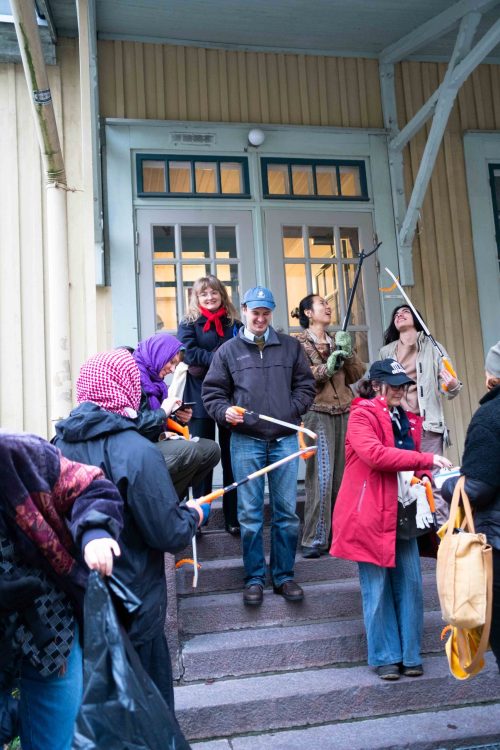
We came together for the last Action Weekend in Helsinki and stayed at the lovely Rauhanasema/Peace station. Thanks to the enriching workshops, we were able to take a shared journey into our utopia.
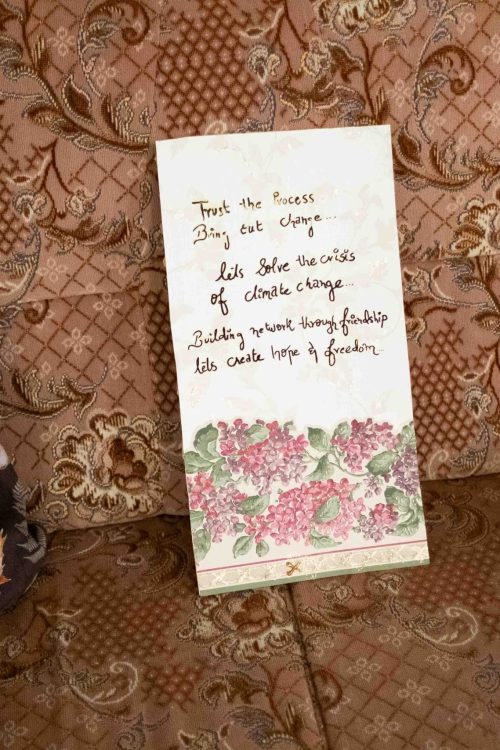
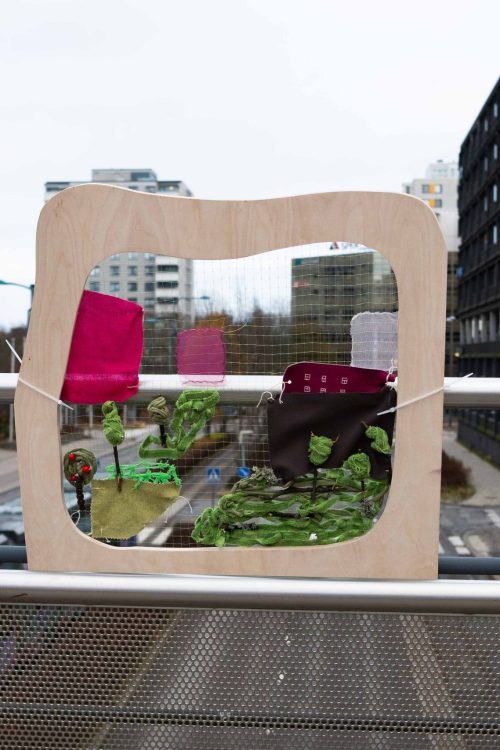
We dove into our imaginations, playfully stimulated our utopian thinking and strengthened our connections and agency. We altered the cityscape with art, to remindourselves that fighting for a sustainable future is also a fight for creativity, solidarity and change. We reflected on our past, our roles in our communities and created our shared story. To share a glimpse of the utopias as we pictured them, we built windows that were decorated with materials, colors and our dreams for the by-passers to see. We thought of tangable and possible solutions and alternative futures and tracked down the key actions for making these futures possible. We wrote poems and made demonstration signs out of them.
We travelled in between of the dreamy visions, today’s world and ourselves – creating new connections and focusing on finding the traces of utopia in our everyday’s surroundings. To witness the change and to become an active part of it.

Summary
Over a two-year period, the project implemented four thematic strands and organised 23 events, ranging from large-scale productions to smaller, informal gatherings. Throughout the project, we at Dodo gained significant experience in event organisation in different settings and inclusive participant engagement. The project was made possible through the valuable contributions of organisers, facilitators, and especially young people, who actively initiated ideas, took responsibility, and really made all this possible.
Continuous feedback collected during the project was essential in refining activities and improving practices. While feedback was largely very positive, constructive suggestions helped further develop the project and enhance participant engagement.
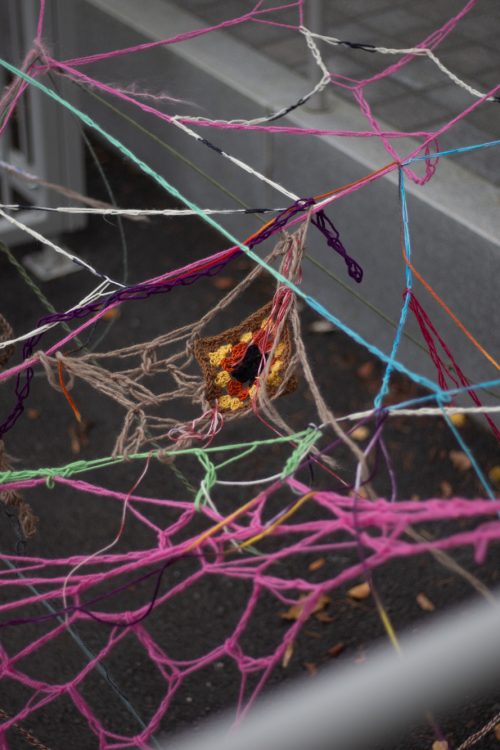
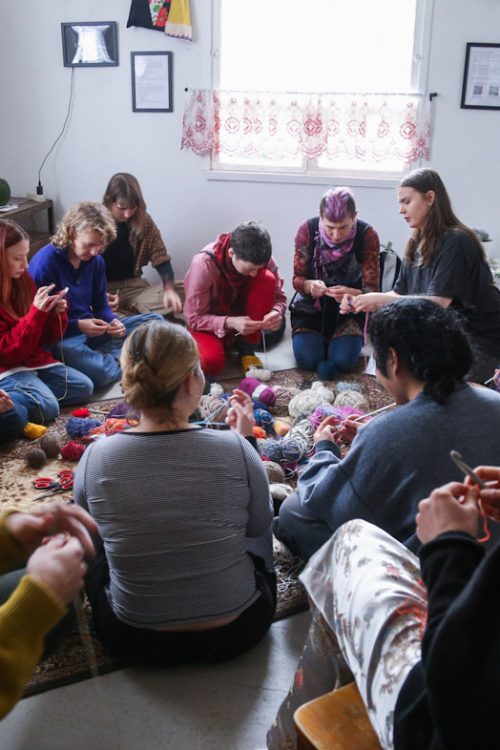
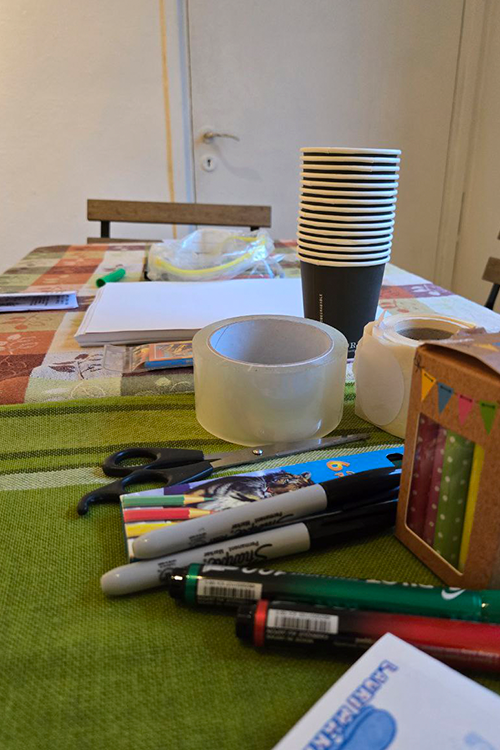
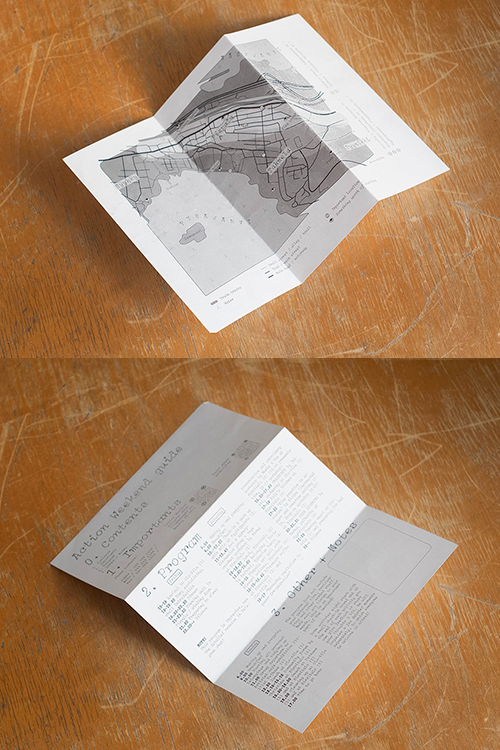
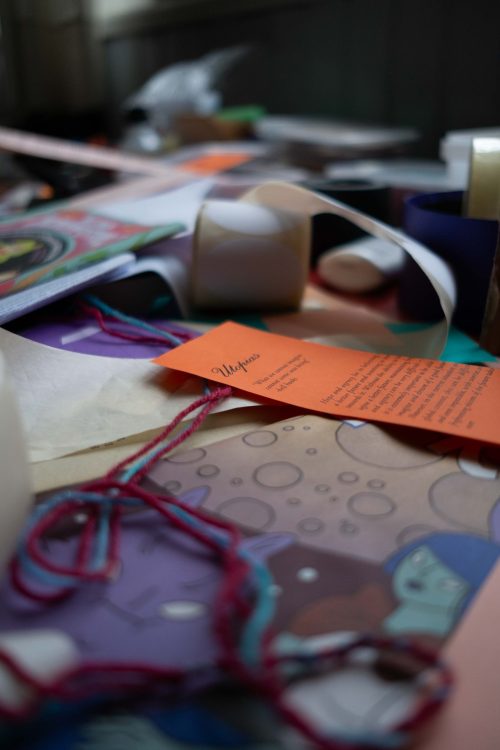
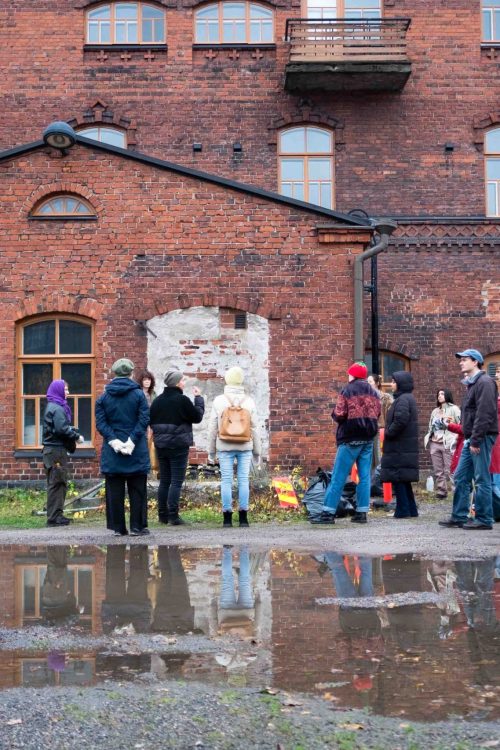
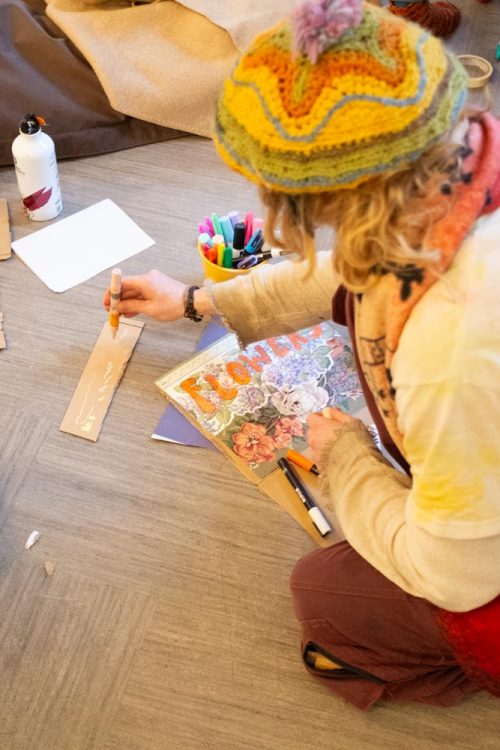
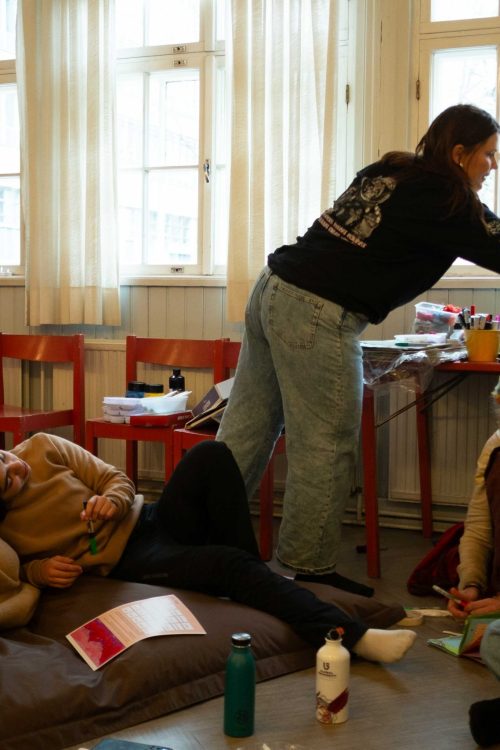
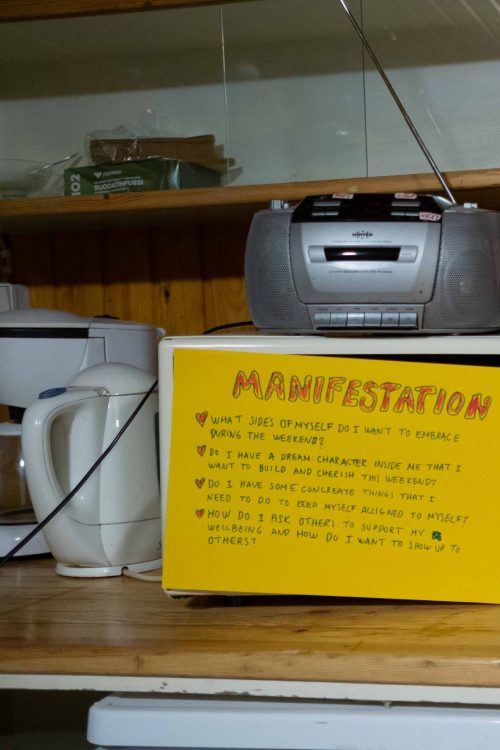
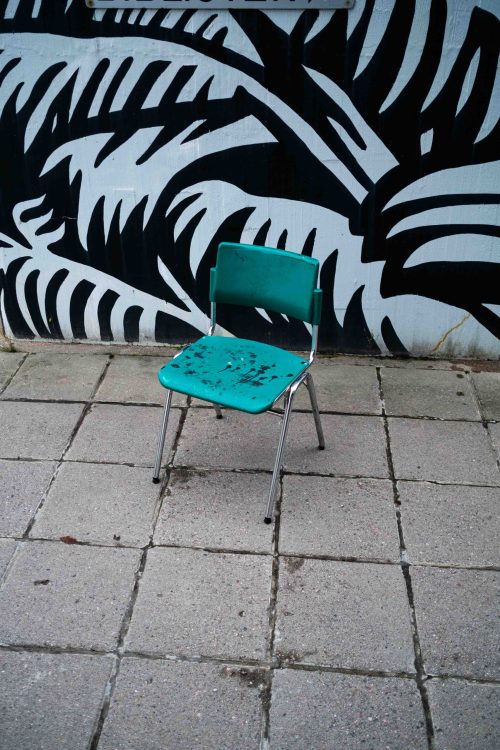
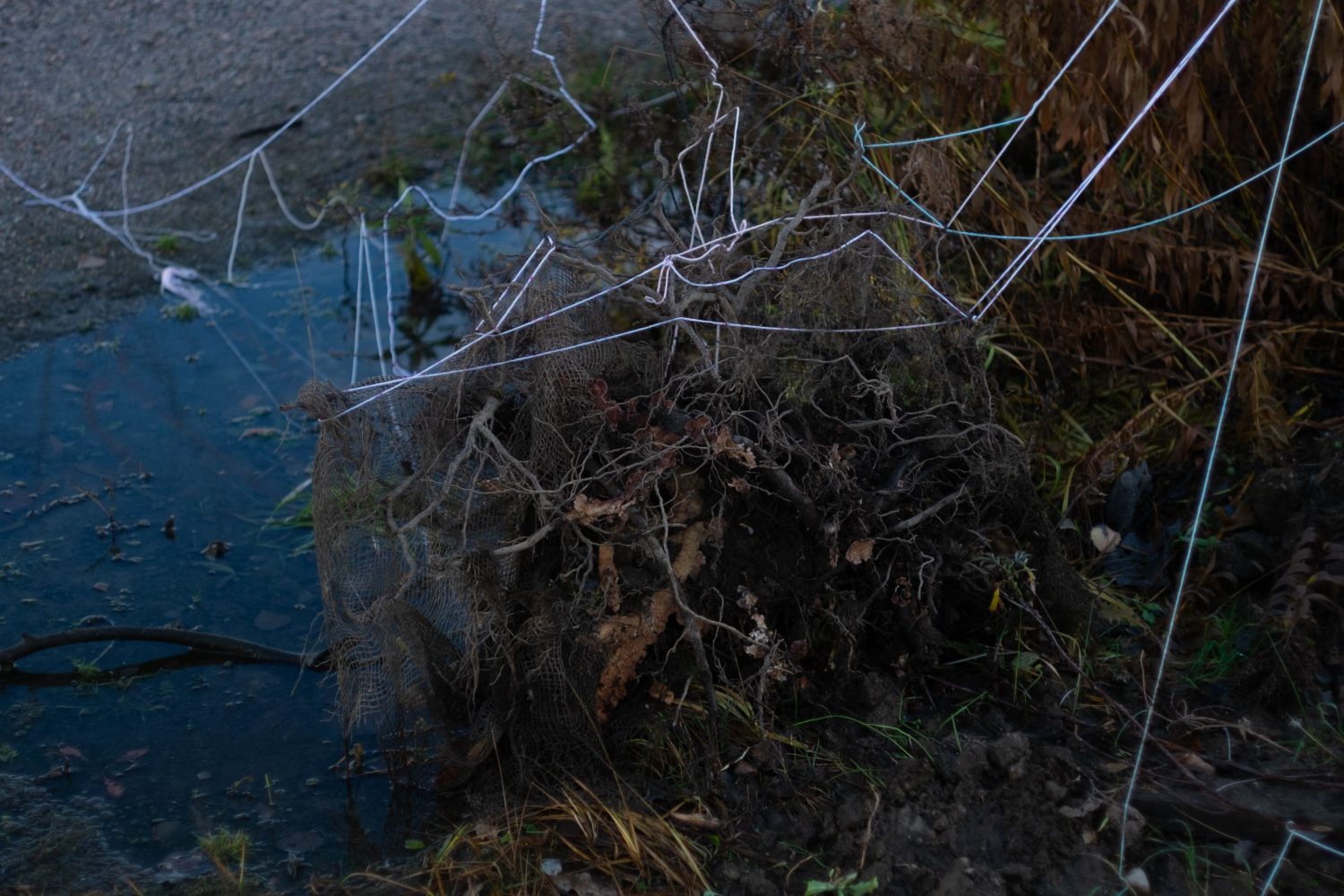
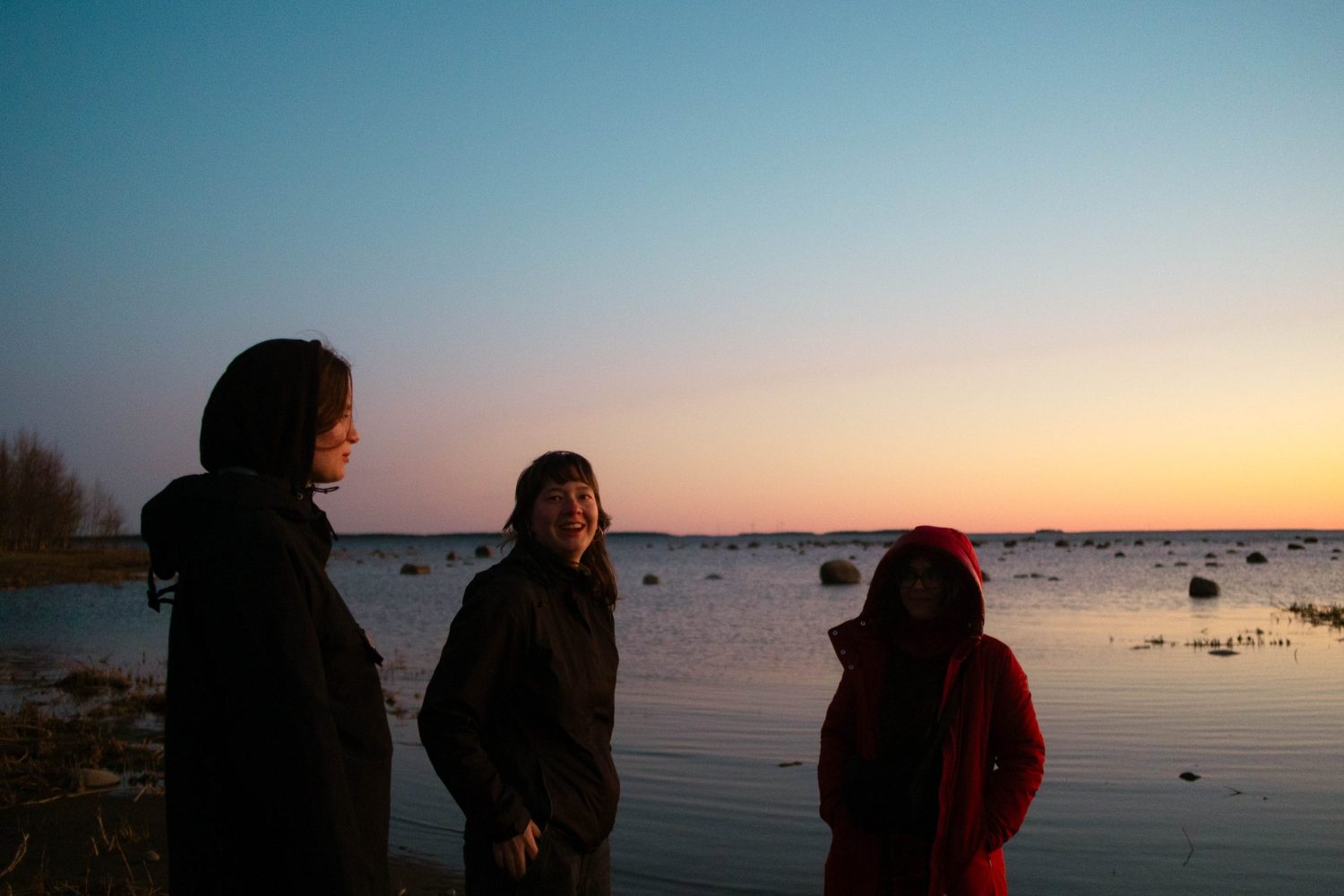
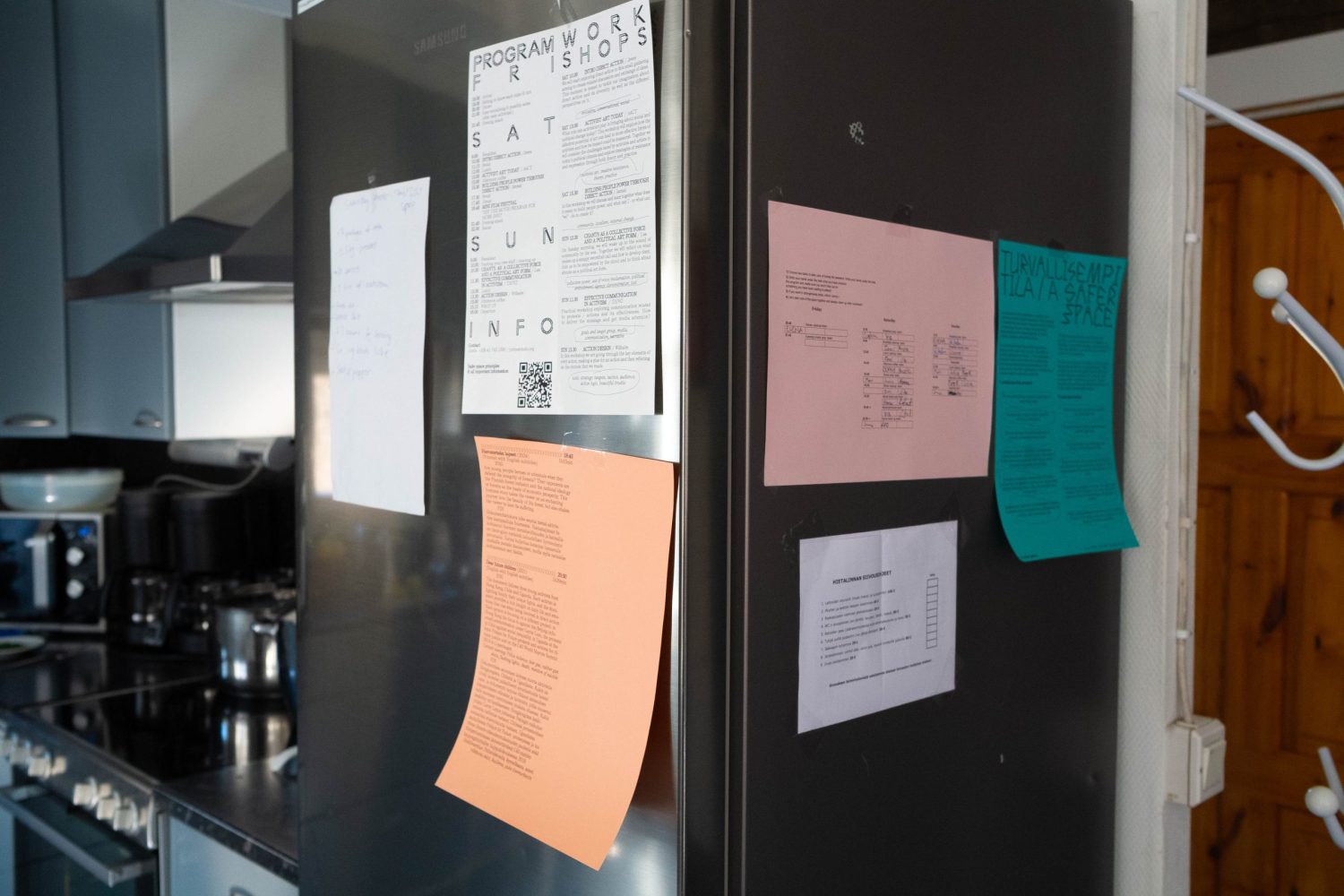
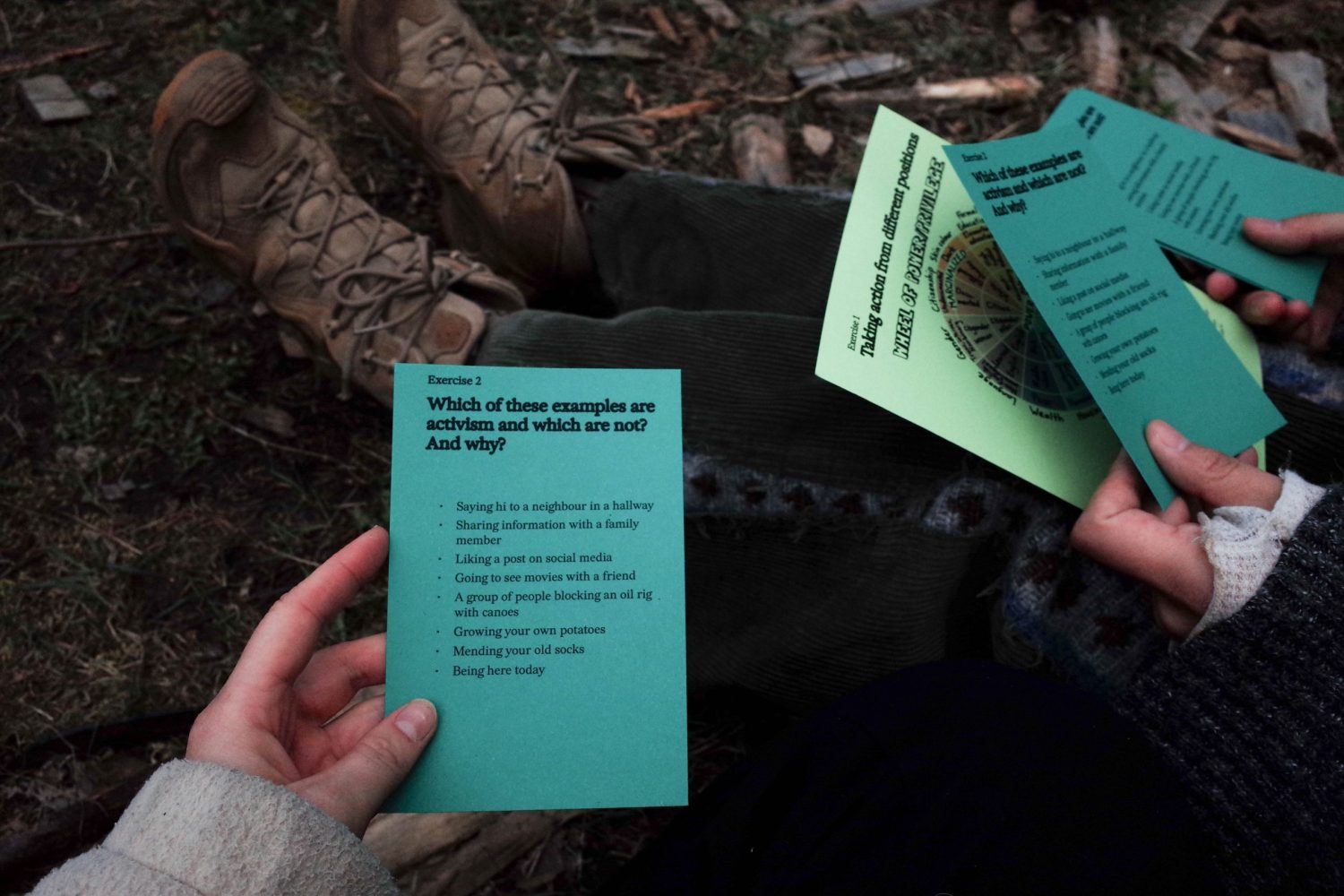
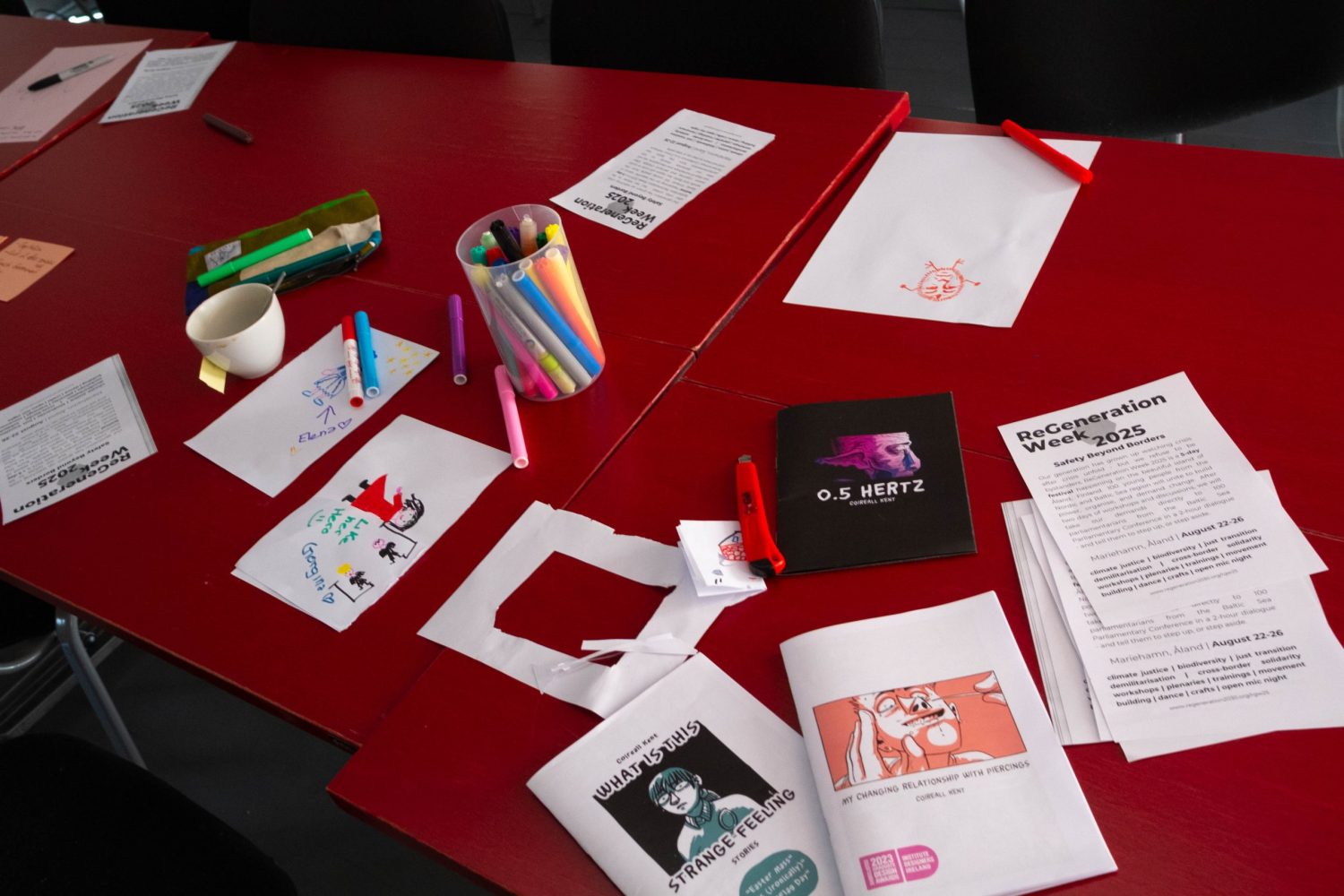
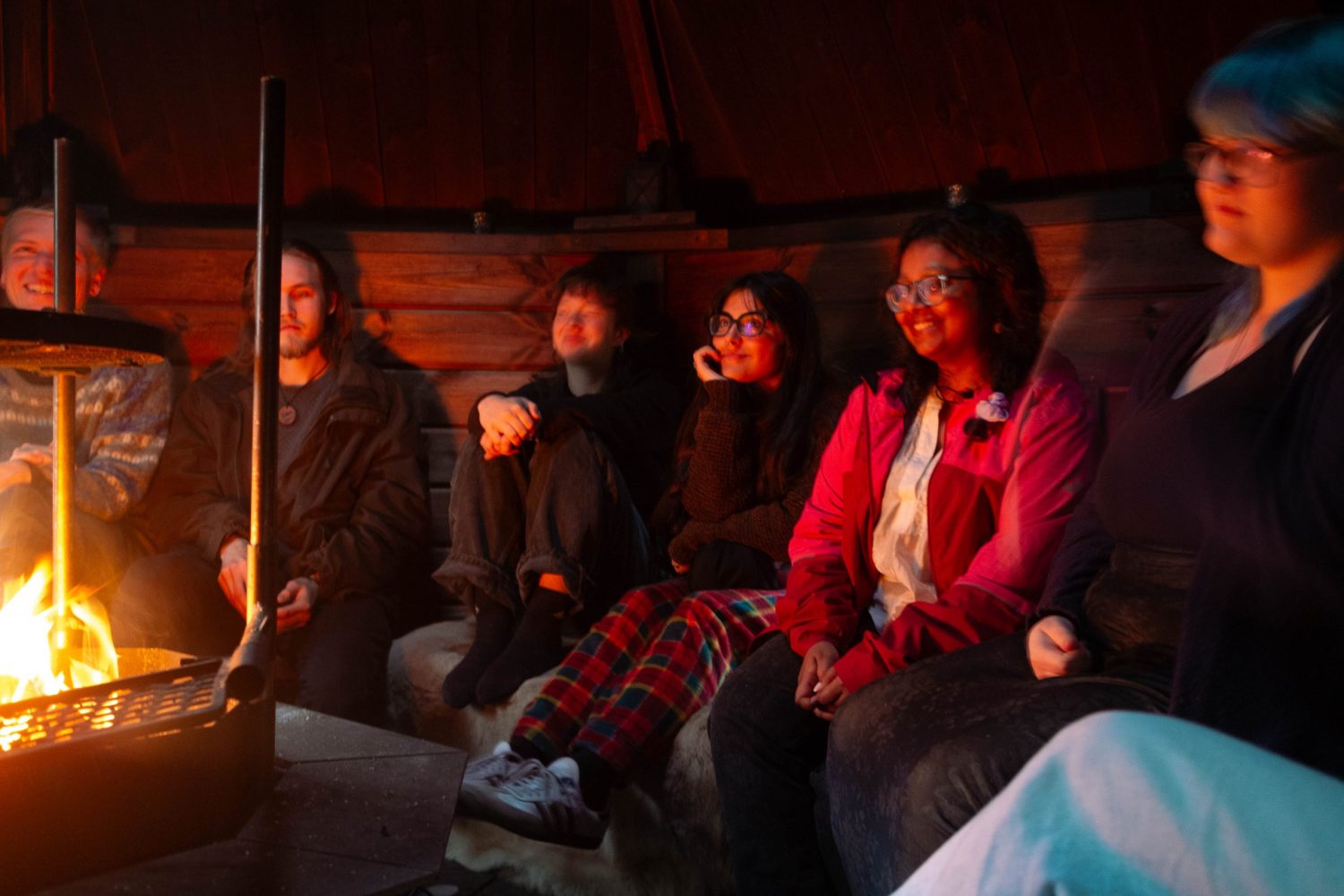
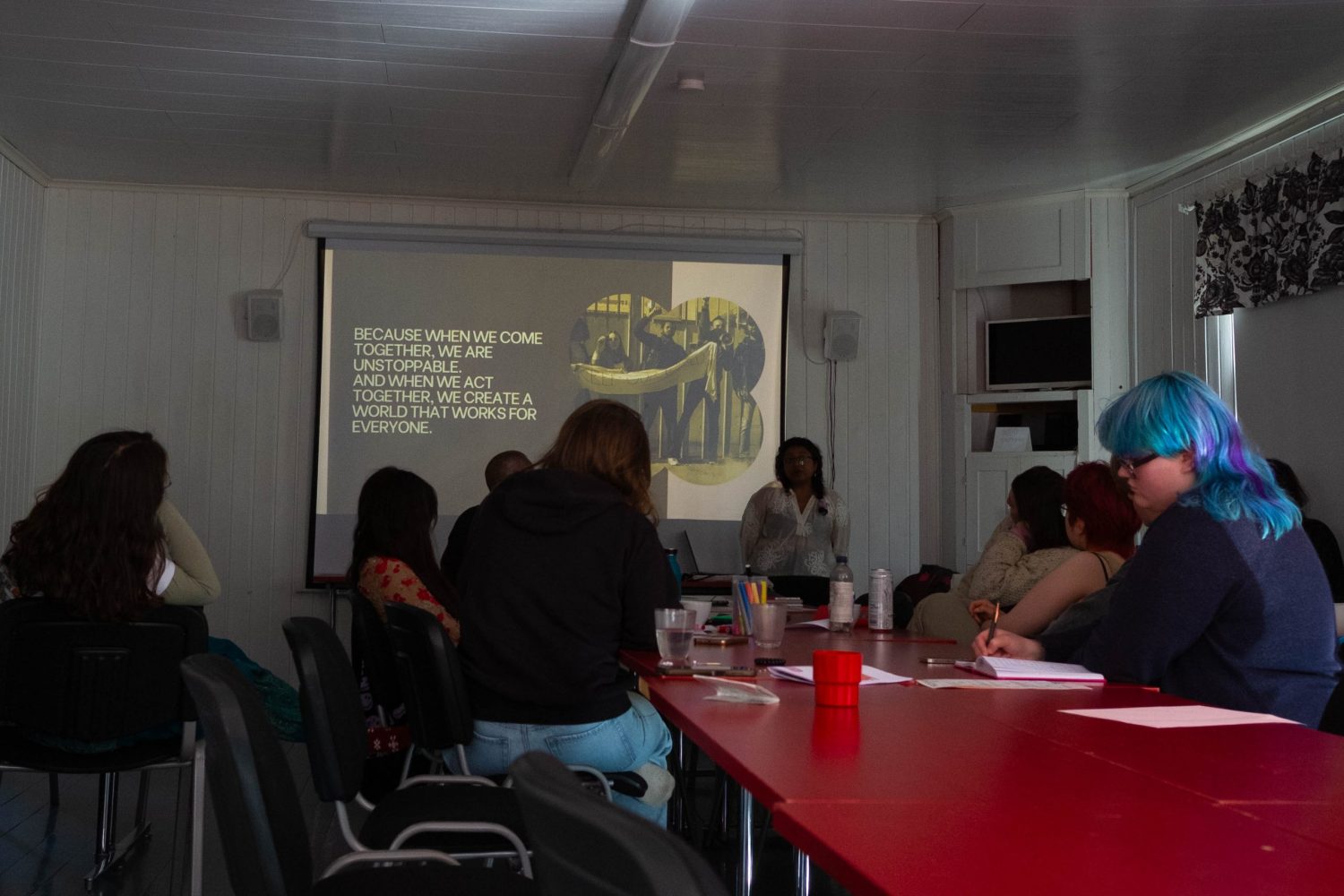
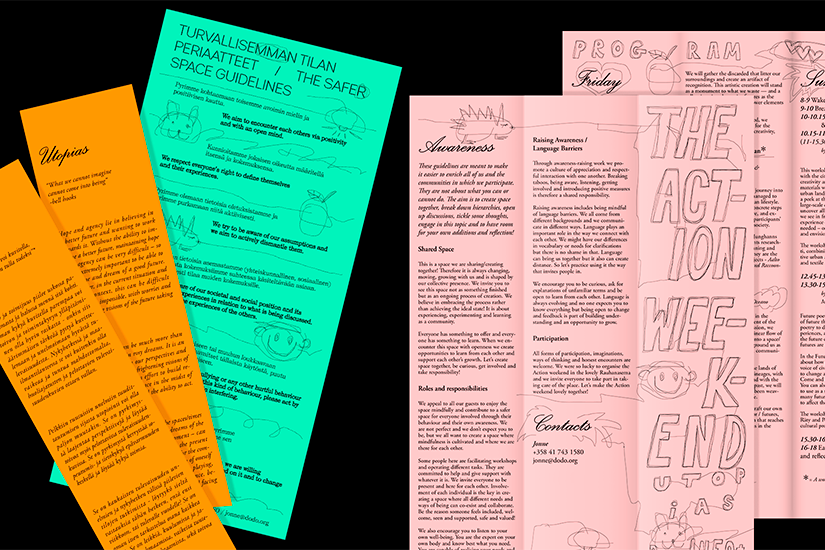
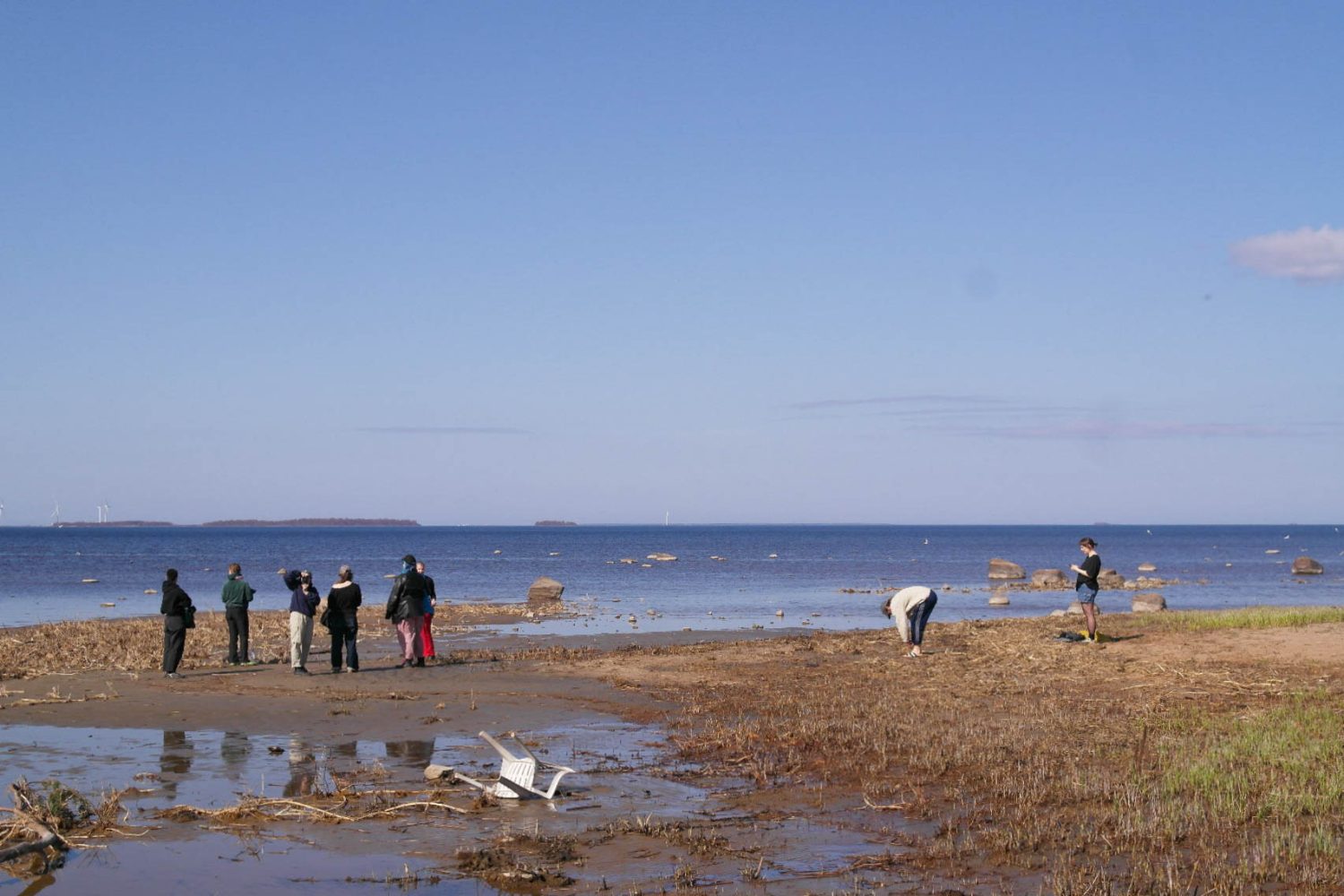
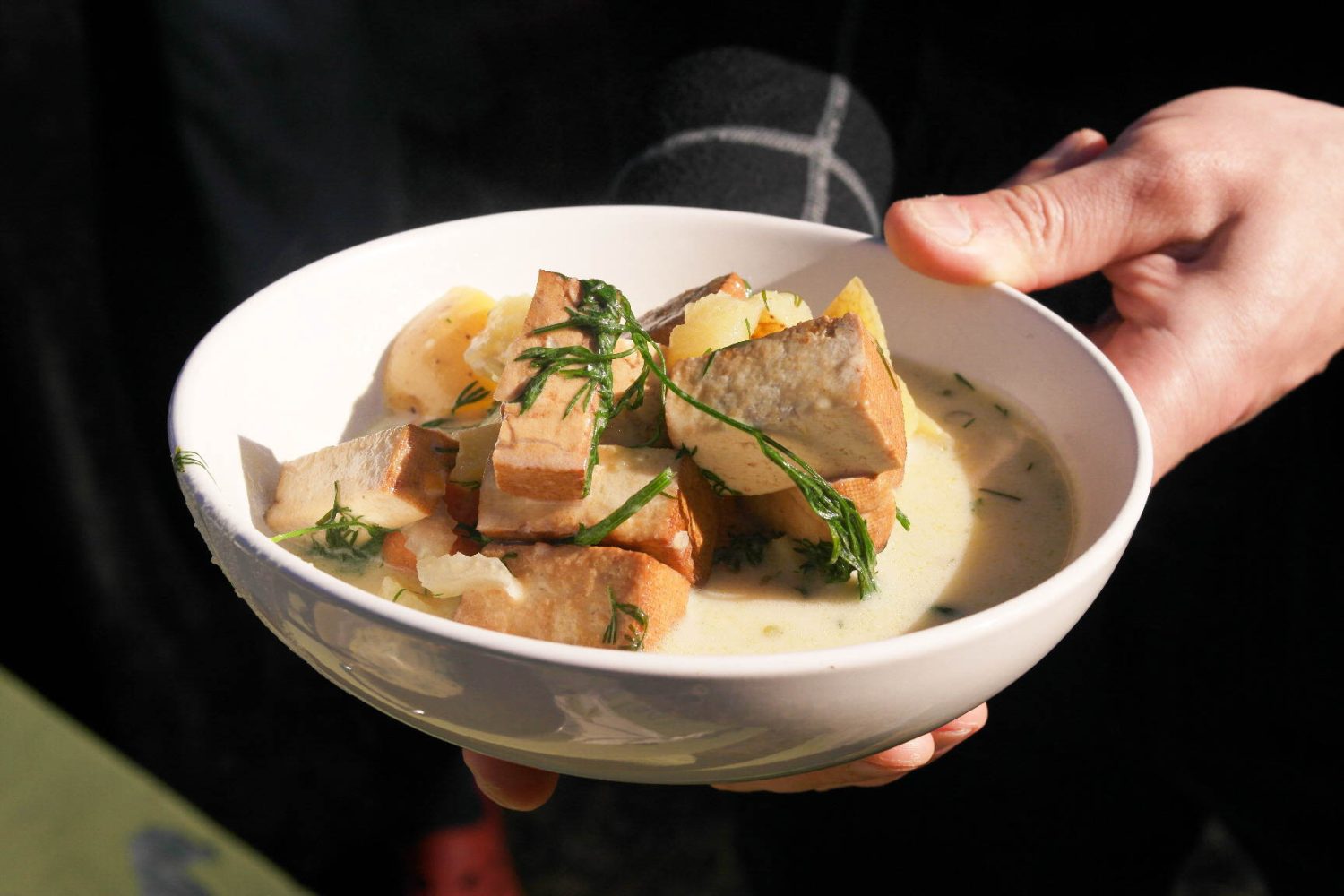
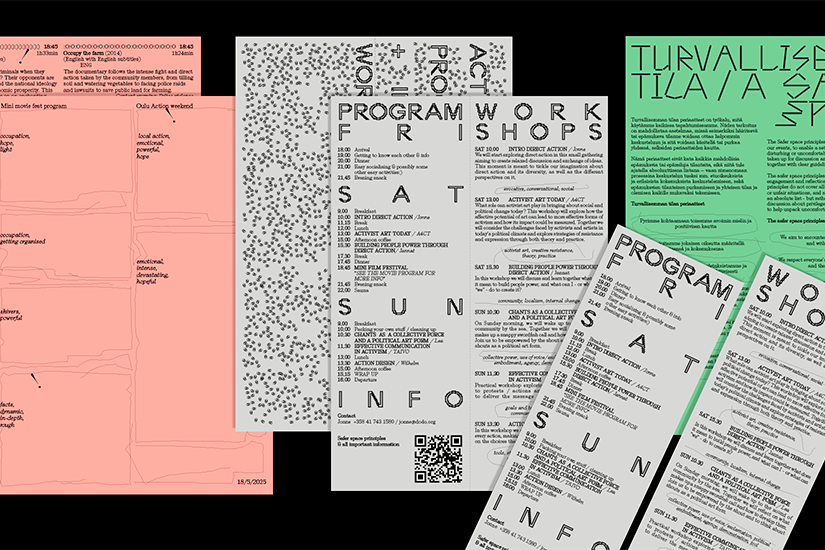
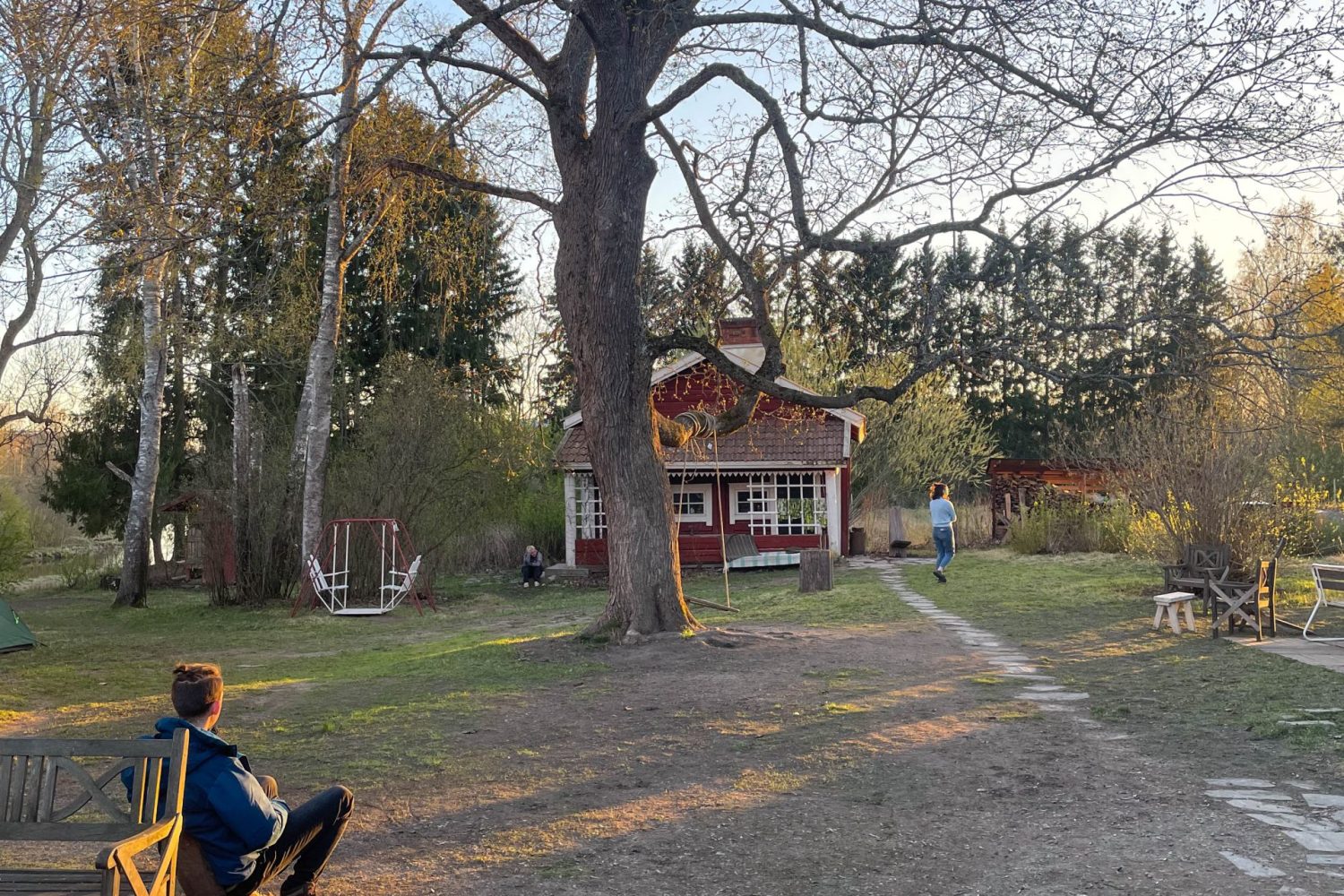
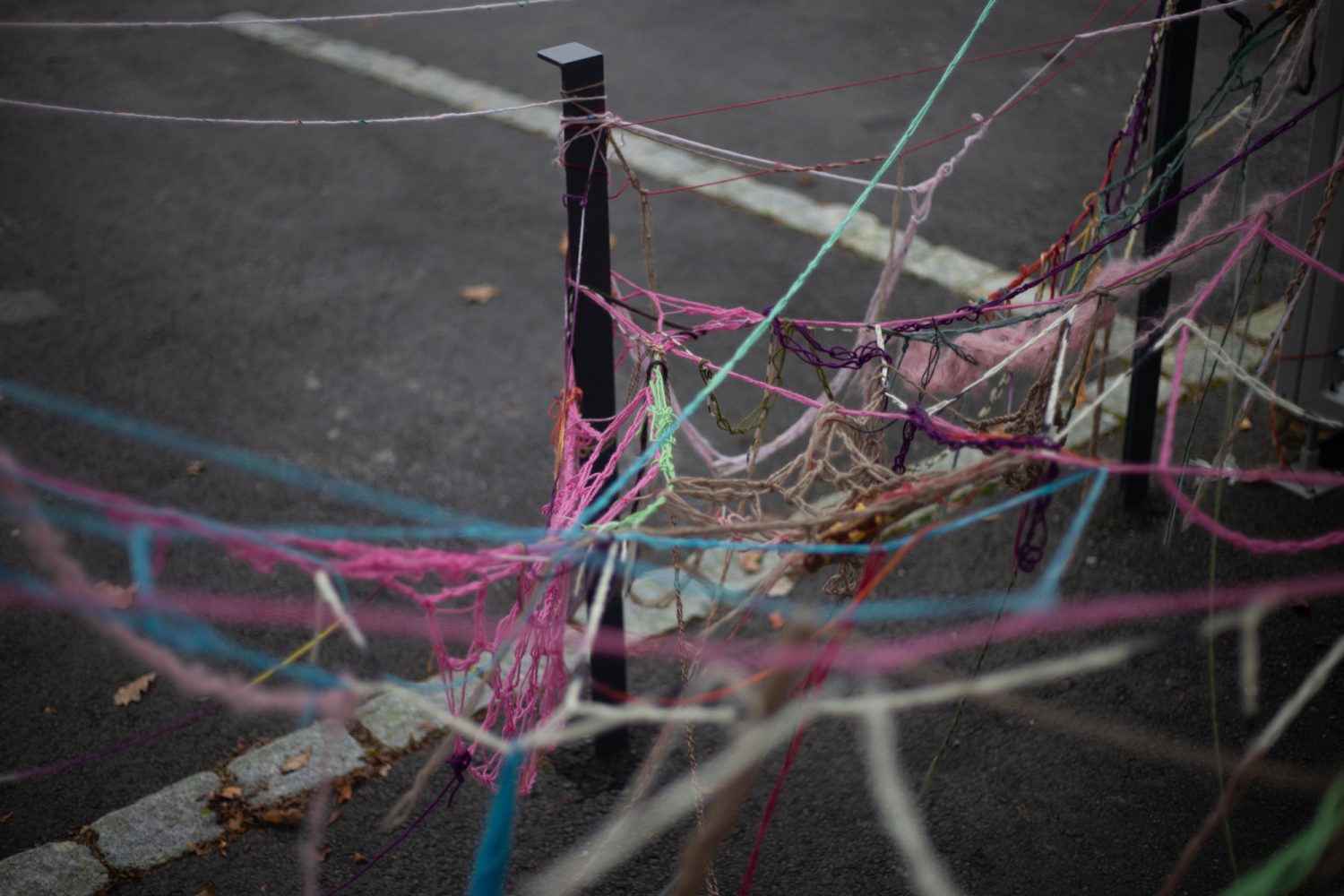
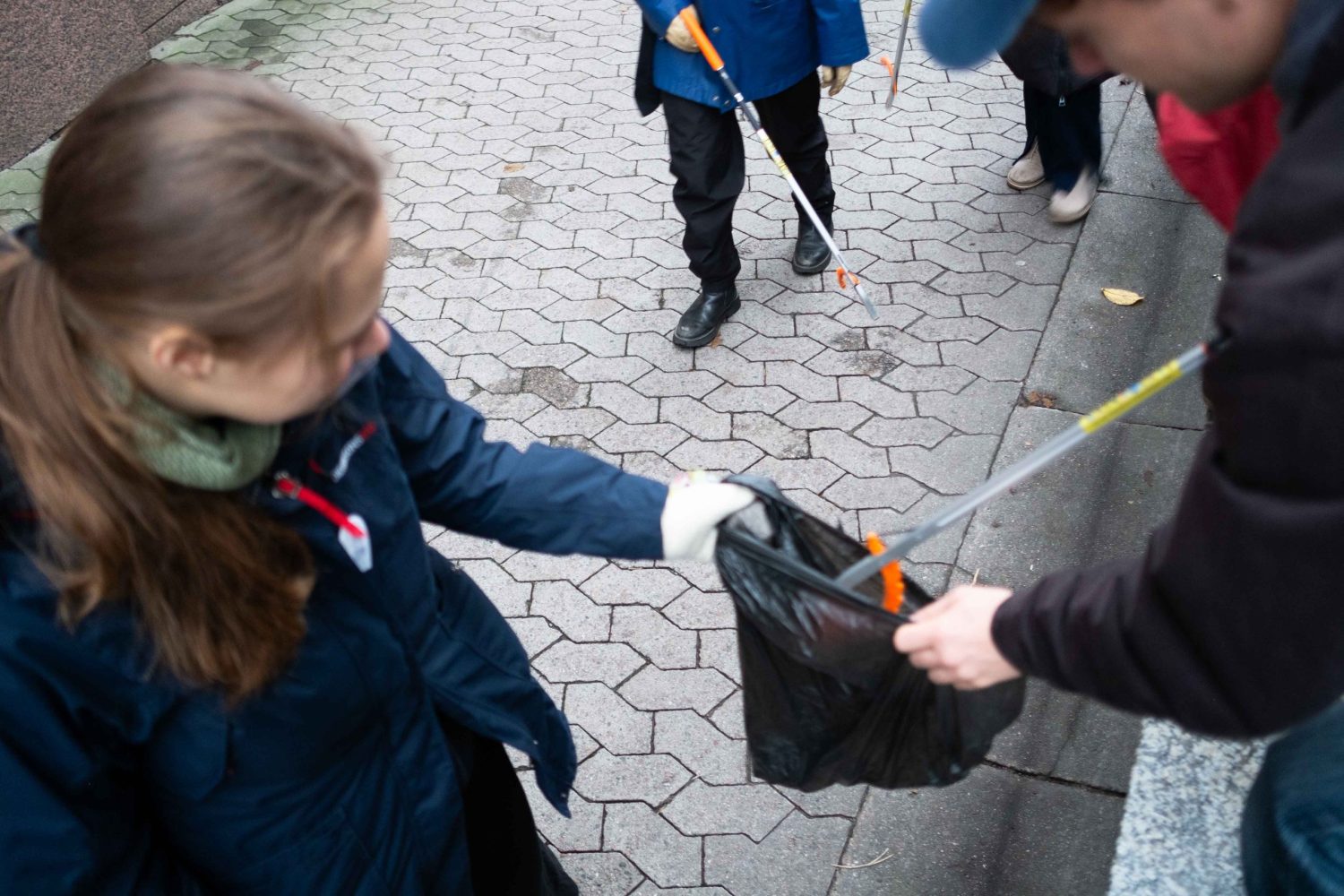
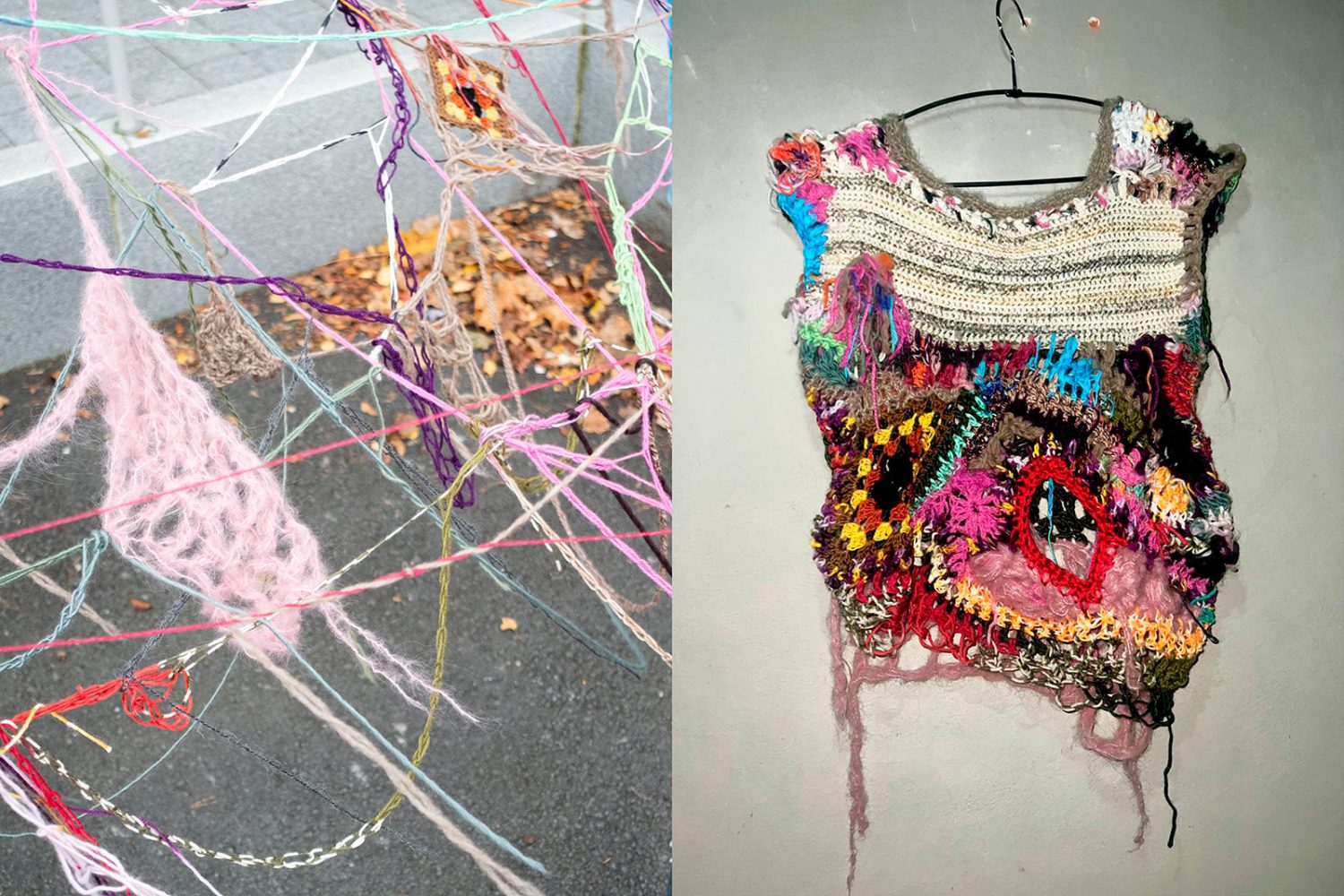
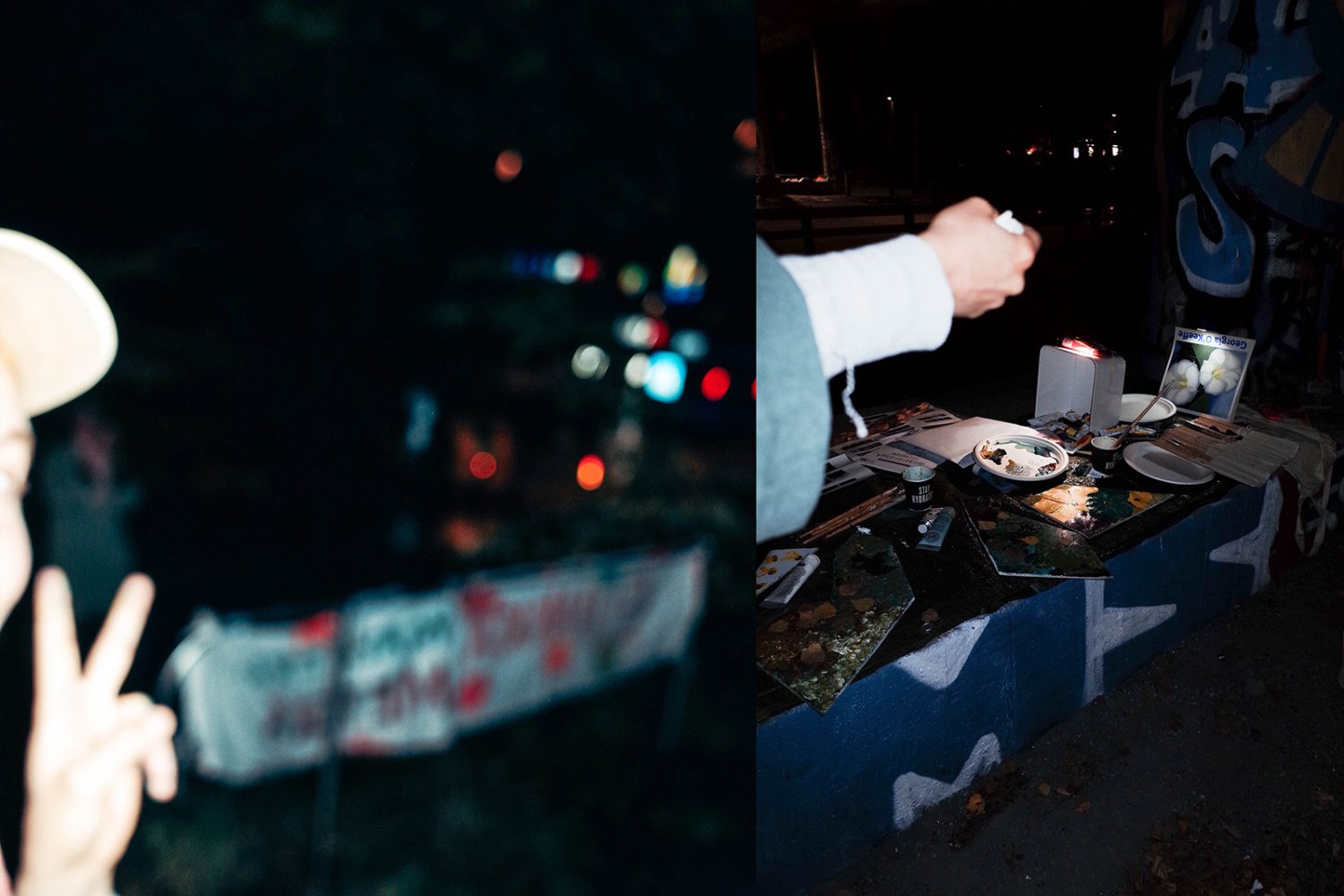
As a result, the project generated a set of tested materials, methods, and practices that can support the development of youth projects focused on agency, civic activism, and transformative approaches. During the project we produced a huge amount of visual documentation by making materials for events and capturing workshops, processes and shared moments into pictures and videos – and we thought it’d be nice to share a bit more of it with you:
RESULTS AND OUTCOMES
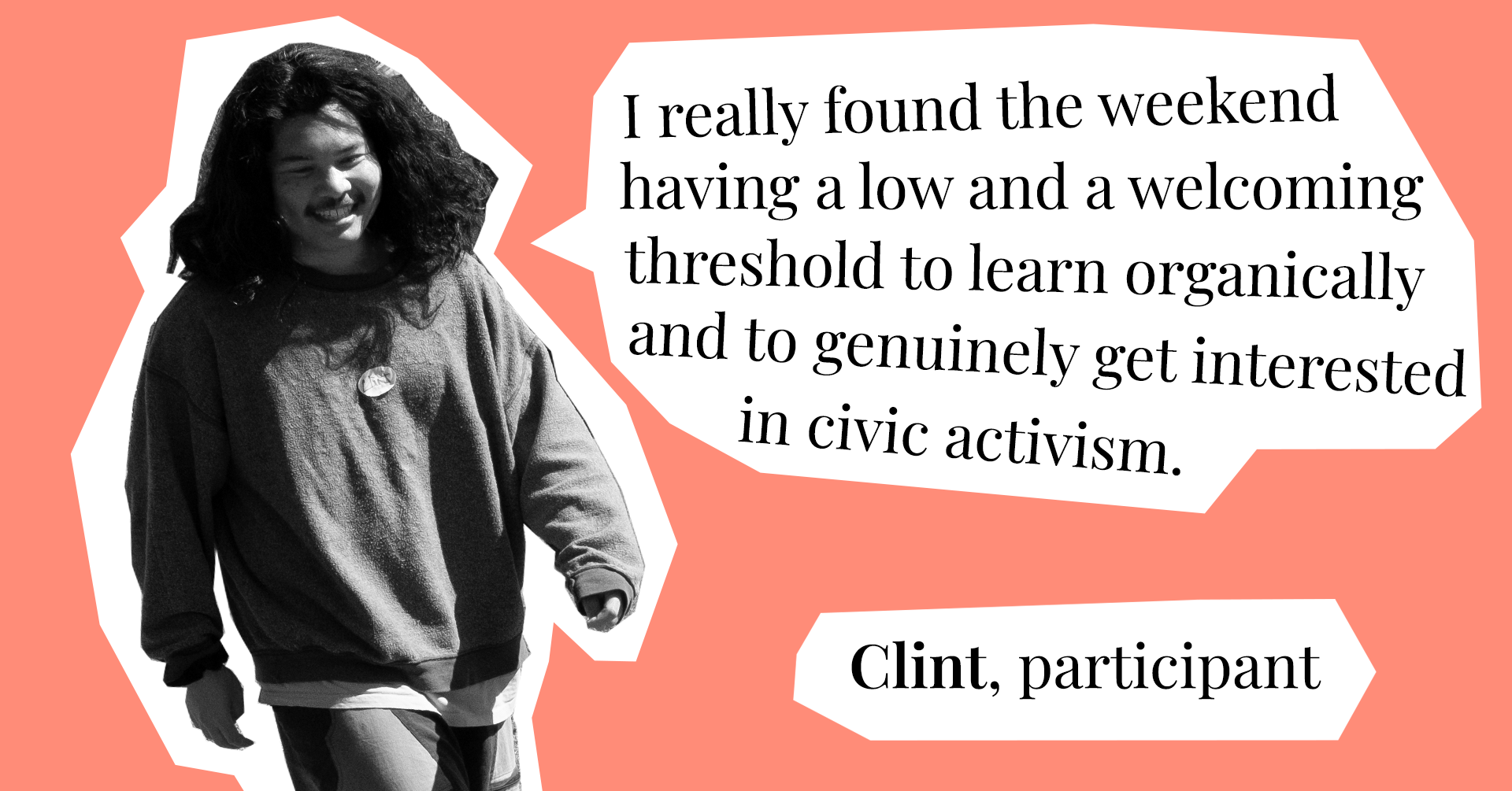
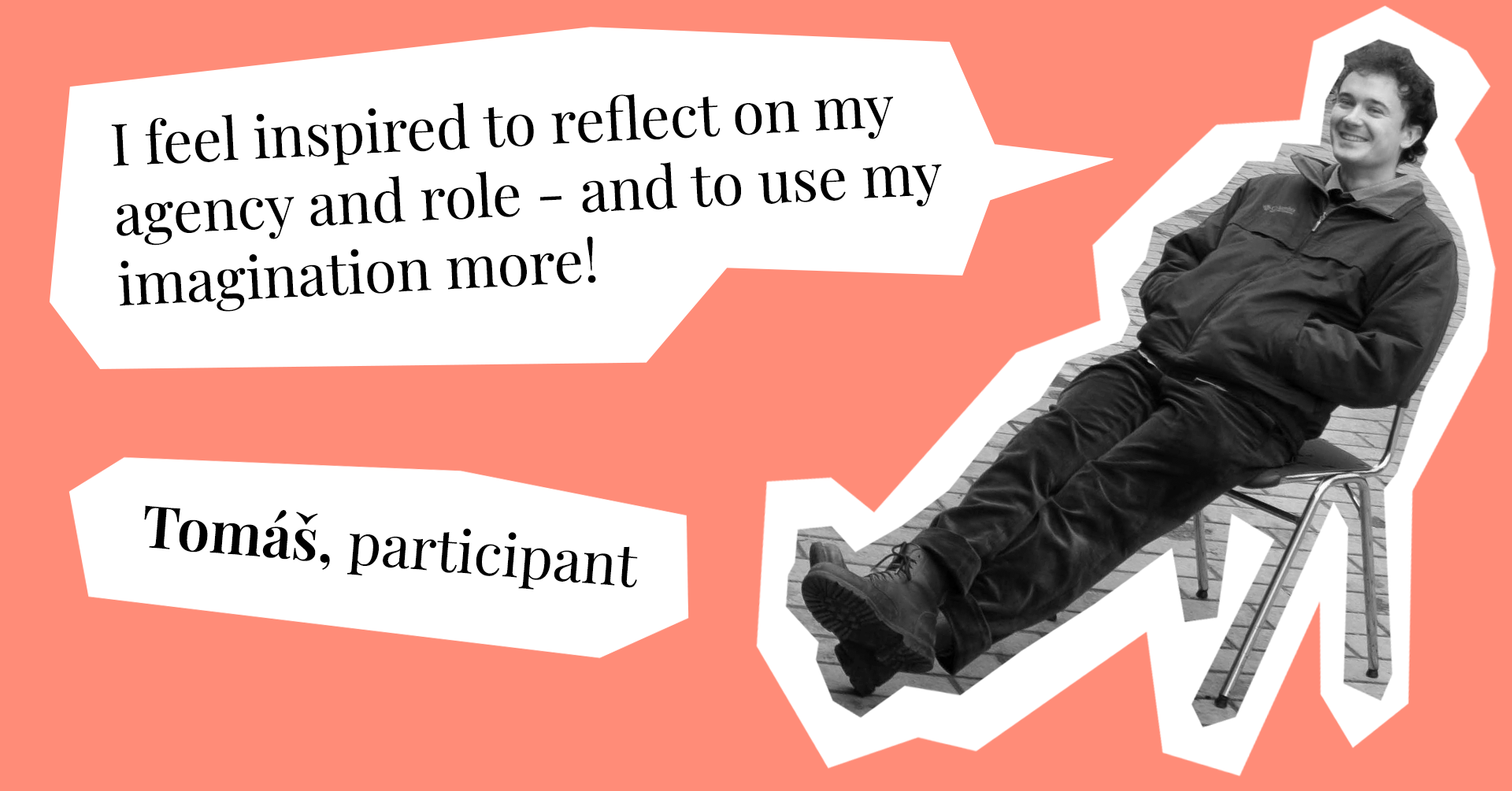
The project strongly supported reflection on agency and active citizenship, helping participants better understand their capacity to influence society and identify concrete ways to take action. Feedback showed increased motivation, confidence, and a clearer sense of personal and civic direction, with many participants describing the experience as transformative.
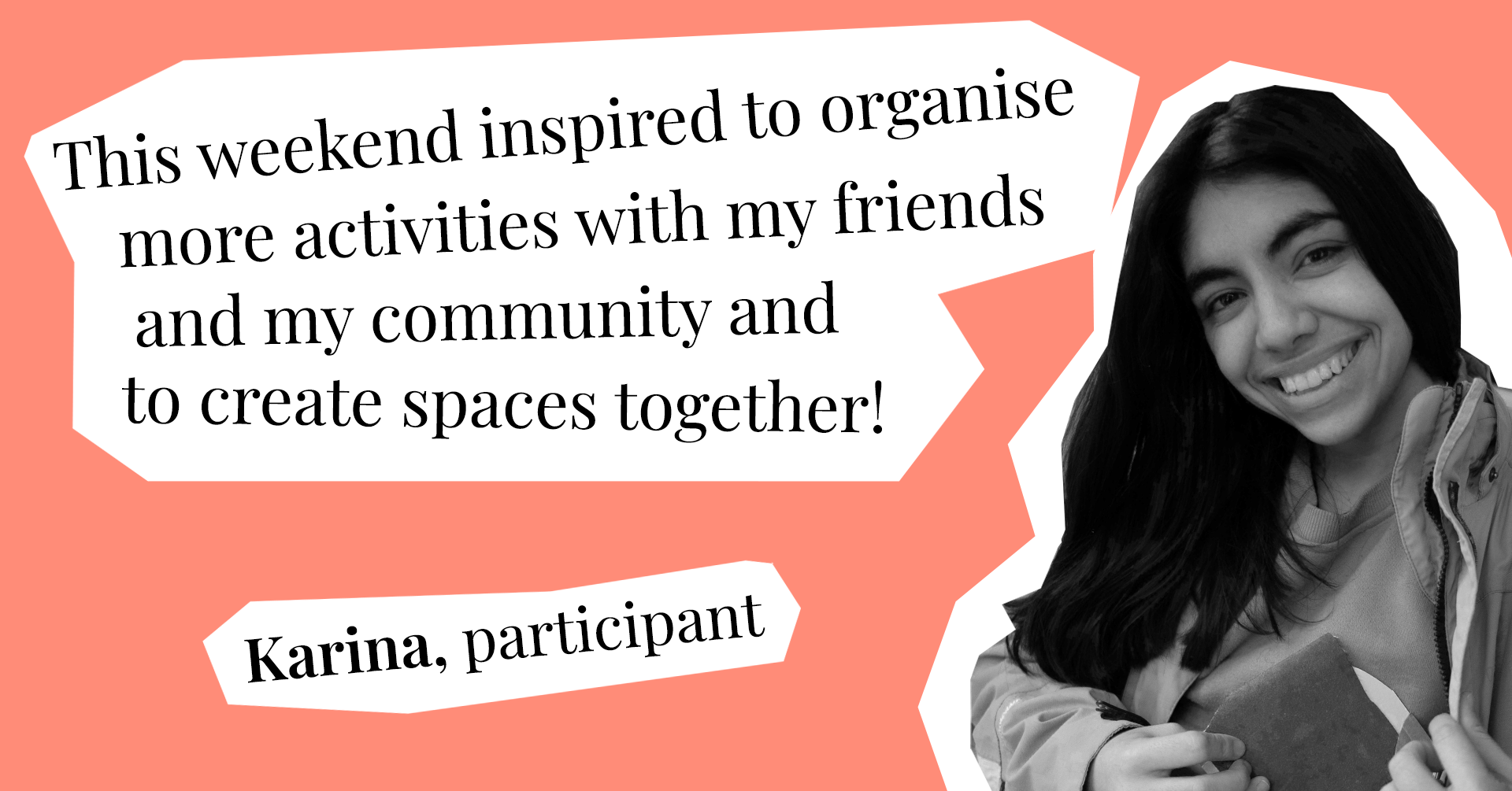
The project also succeeded in allowing new networks to be built by connecting practitioners, grassroots movements, organisations, and individuals who had not previously collaborated. These multidisciplinary connections exceeded expectations and have already led to continued cooperation, sustained community involvement, and at least one new participant-led initiative by the end of the project.
Young people had an active, crucial role throughout the project by initiating, organising, and shaping activities. Open calls and shared responsibilities enabled participants to lead workshops, organise events, and contribute meaningfully to project implementation, fostering a strong sense of ownership and co-creation.
Co-learning and having dialogues were central to the project’s approach. By creating open and sensitive spaces (which was and still is a shared process), participants actively engaged in discussion, peer learning, and collaborative experimentation. Based on the feedback, this strengthened group cohesion and increased participants’ confidence to act within diverse groups and contexts.
We would like to thank those who made the project possible:
Khaos Publishing ♥ Amnesty Finland ♥ Somos S.U.R. ♥ Elokapina ♥ Elävän Kulttuurin Koroinen Ry ♥ Jyri Jaakkola & Bety Cariño ♥ Yingying He ♥ Kulttuuritila Pethaus ♥ Hirvitalo ♥ Elvira Kim ♥ ompeluosuuskunta Shvemy ja ompeluosuuskunta Resew ♥ Ton/Tonya Melnyk ja Masha Ravlyk ♥ taidekollektiivi Translation flowers (Inkeri Jäntti) ♥ Verna Häyrynen ♥ Anthoni Levonsaari ♥ Christiina Pinell ♥ Sara Rostam Shirazi ♥ Elena Ilia ♥ Johanna László ♥ Noia Kekoni-Kattelus ♥ Ania Bernal ♥ Erika Kuittinen ♥ TAIVO-kollektiivi ♥ A4CT ♥ Wilhelm Blomberg ♥ Lea Lintula ♥ SPR Oulu ♥ Jannat Rahman & Re-generation 2030 ♥ Oranssin aktiivit ♥ Oikeutta Eläimille ♥ Sweetspot-kollektiivi ♥ Varpu Kurkilahti ♥ HIIA (Helsinki International Artists Association) ♥ Rauhanliitto ♥ Martina Šerešová ♥ Nilius Oceano ♥ Petra Vallila, Mikko Räty ja Riina Näsi (KSL-opintokeskus) ♥ Lukas Junnhangs ♥ Ronja Tammenpää
+all participants, volunteers and everyone else who was a part of the project in any way!