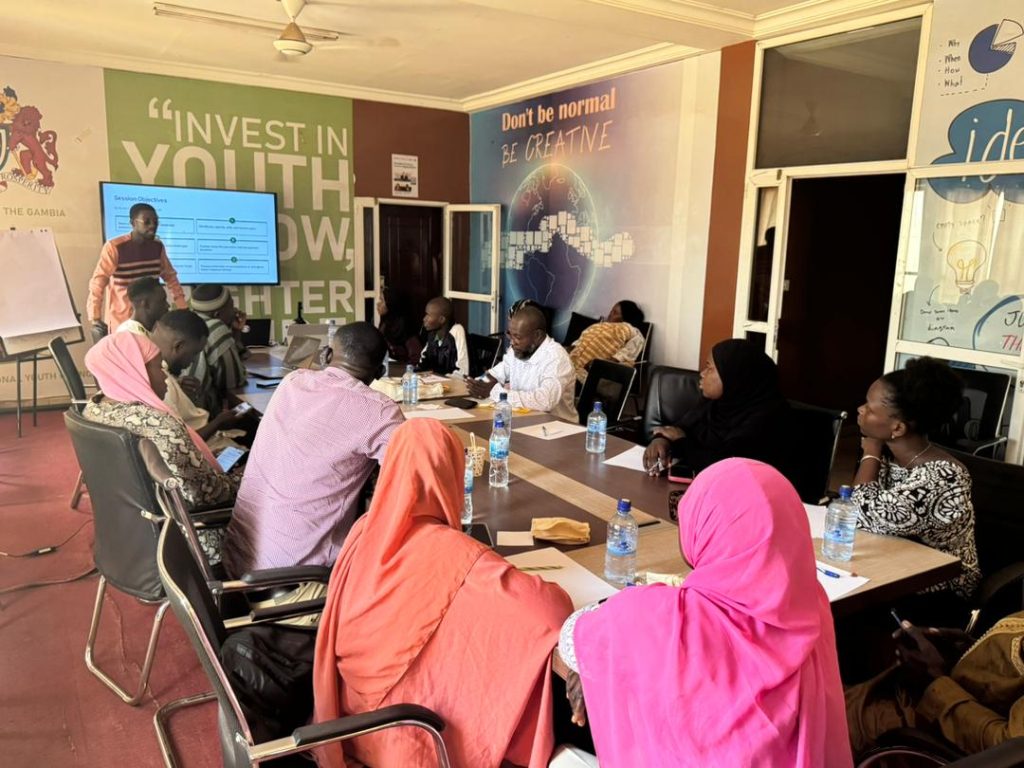
Like every year, Tesito Project held its annual network meeting, bringing together environmental stakeholders in Gambia to strengthen collaboration on forest and environmental mapping. The meeting provided an important space for dialogue, knowledge sharing, and joint reflection on sustainable forest management. Participants represented government institutions, Kafuta Forest School, civil society organizations, and local communities working on environmental protection and climate-related issues.
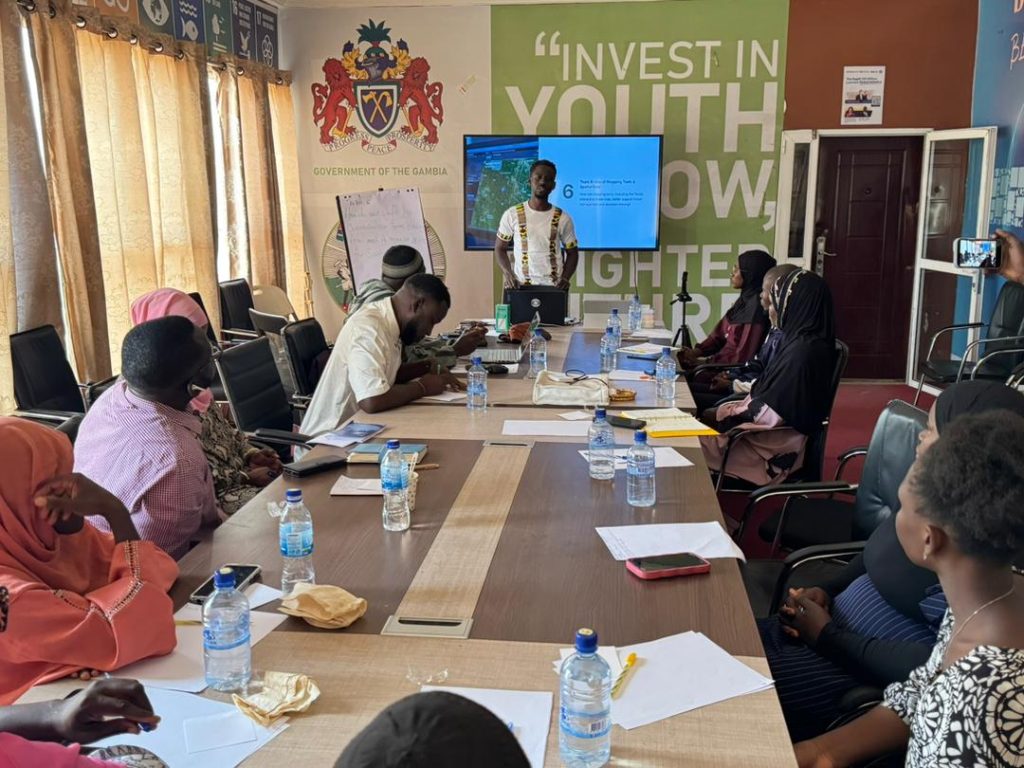
The meeting opened with discussions on the current state of forest protection in Gambia and the role of mapping in supporting environmental decision-making. Participants shared their experiences and perspectives on challenges related to mapping capacity, data availability, and coordination among institutions. Forest fire management was highlighted as a key concern, particularly in the context of climate change and increasing pressure on forest resources.
A central part of the meeting was the presentation of Tesito’s interactive forest map. The map was showcased by Mr. Njai, Principal of Kafuta Forest School, who demonstrated how the tool can support forest monitoring, land-use planning, and informed decision-making. Participants discussed practical ways the map could be used by institutions, communities, and civil society actors in their daily work.
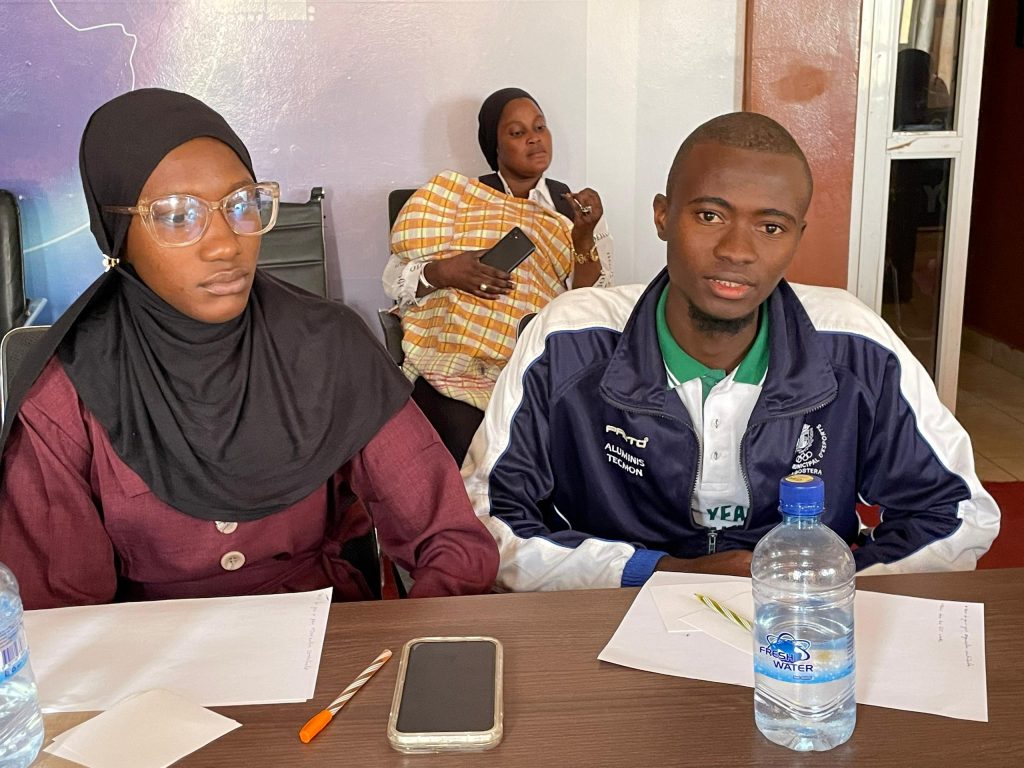
The meeting also included group work sessions, which allowed participants to engage more deeply with the topics discussed. In smaller groups, participants exchanged experiences, identified common challenges, and explored opportunities for improving sustainable forest management. These discussions highlighted the importance of capacity building, data sharing, and stronger collaboration across sectors.
The group sessions concluded with presentations, where key findings and recommendations were shared with all participants. Many emphasized the need for continued collaboration between technical institutions and local communities. Participants also highlighted the value of regular network meetings in strengthening trust and coordination.
Overall, the annual network meeting reaffirmed the importance of collective action in addressing environmental challenges in Gambia. By bringing diverse stakeholders together, the meeting contributed to a shared understanding of how mapping tools and collaboration can support long-term forest and environmental protection. The project remains committed to supporting this network and fostering sustainable, data-informed environmental management.