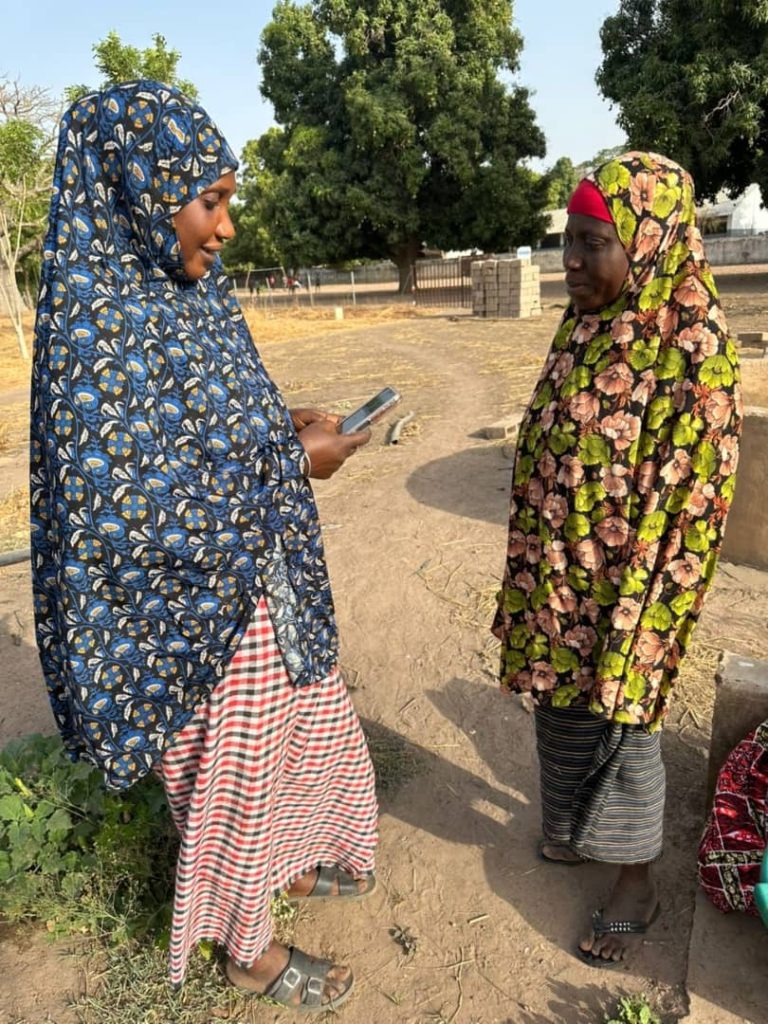
The 2025 data from Jiffarong community garden shows that women farmers have significantly strengthened both their income in dalasis, and production in kilos, compared to the previous year. Across key indicators such as income, production, crop diversity, and food security, the results reflect the growing impact of agricultural training and adoption of new techniques. The farmers increased their average income by approximately 182% compared to 2024, while production increased by 248%, showing a strong improvement.
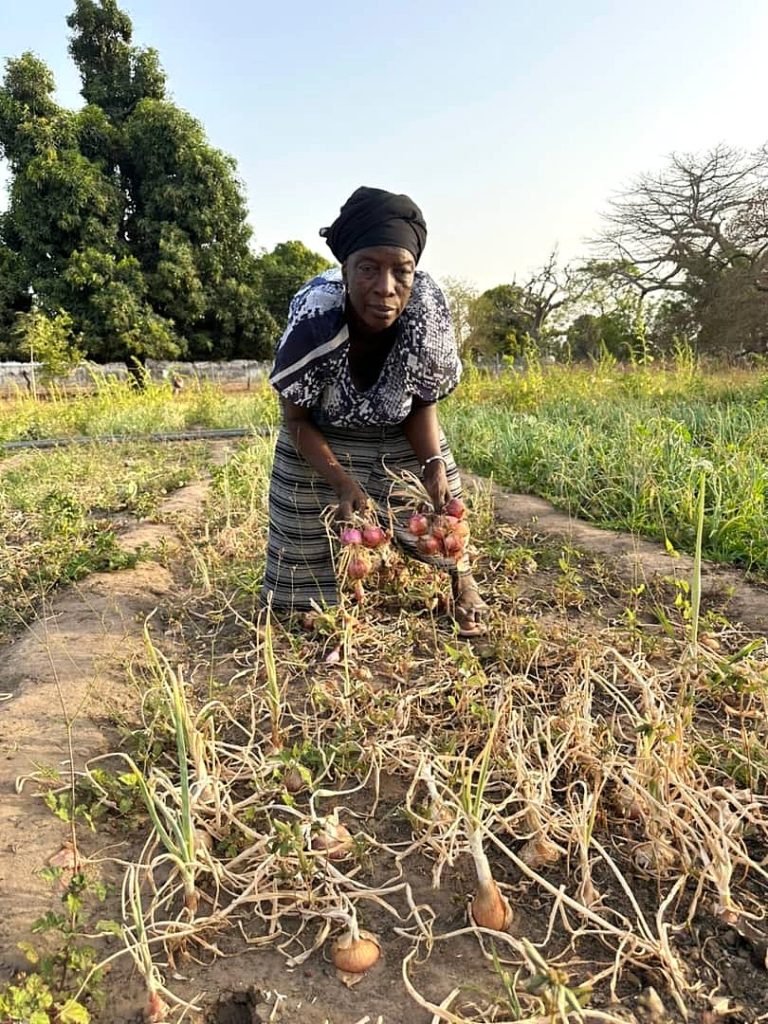
Onion remained the most widely grown crop, cultivated by almost all farmers. At the same time, women expanded their production beyond onion, increasing crop diversity from 11 to 15 different vegetables over the year. This reflects a clear shift toward more balanced and resilient farming, where farmers are diversifying their production instead of relying on a single crop.
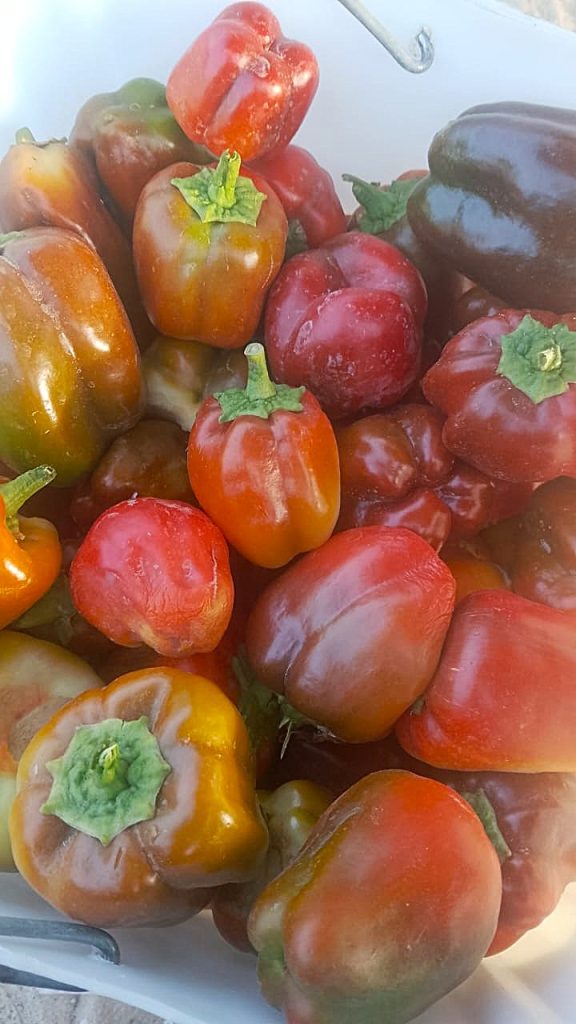
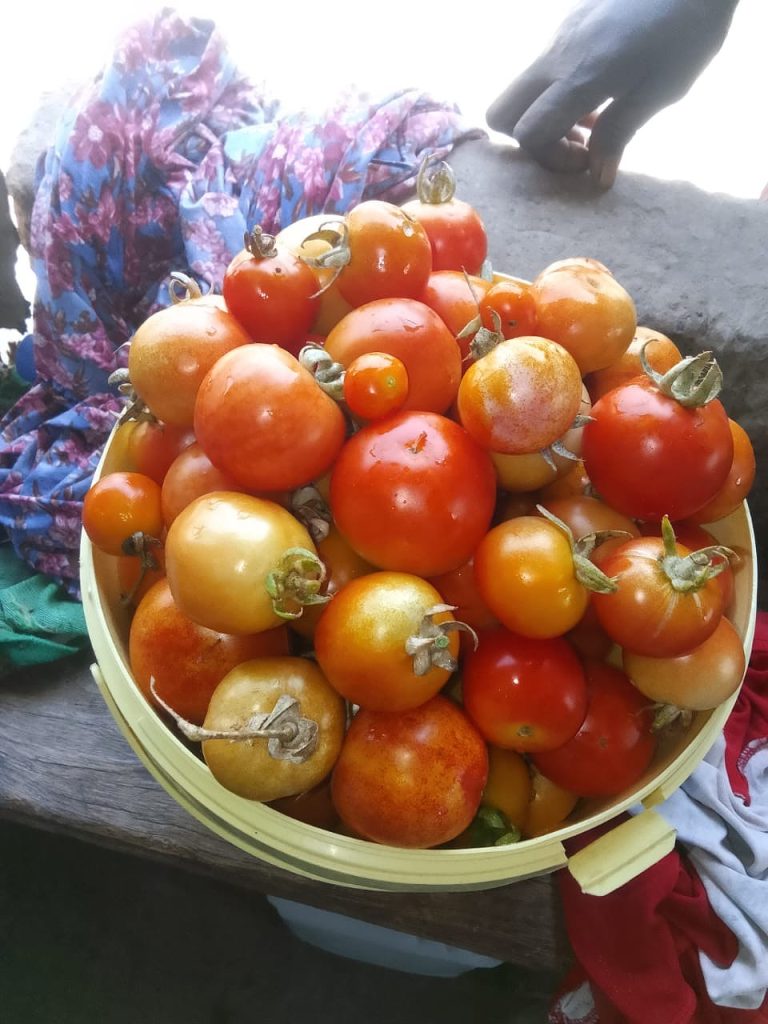
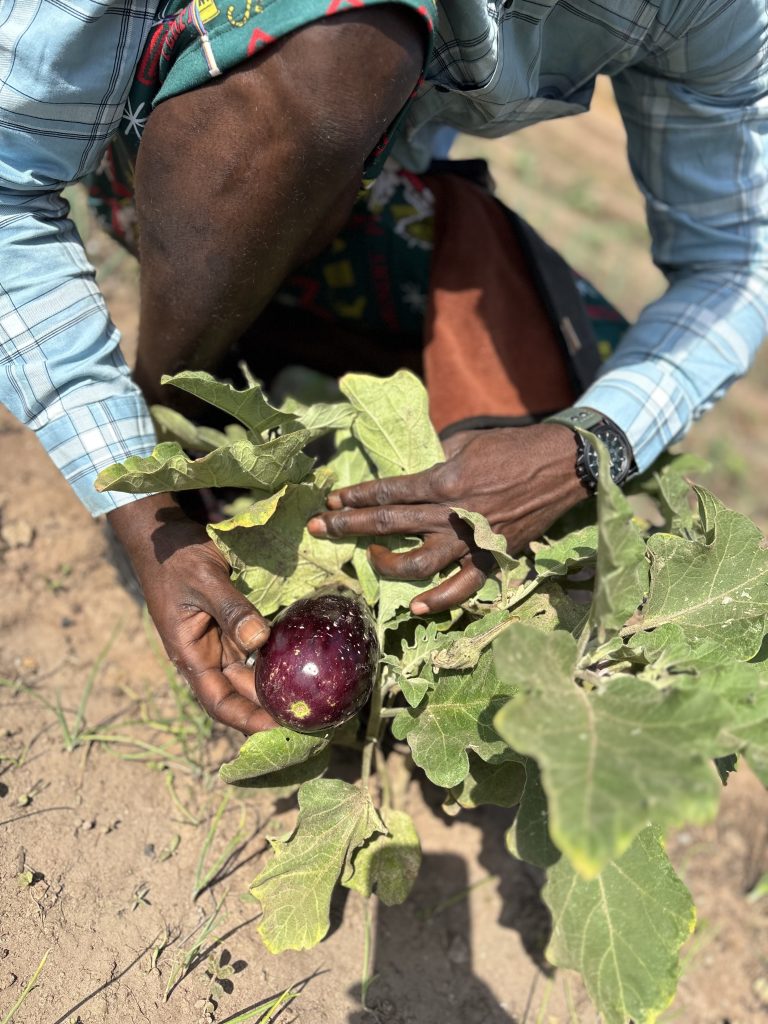
Taking a look at the seasonal patterns shows how farmers are making strategic decisions about what to grow and when. During the rainy season, sorrel was the most cultivated crop (50.8% of farmers), followed by okra (36.1%) and eggplant (31.1%), reflecting a focus on crops that perform well under rainy season weather conditions. In contrast, the dry season was dominated by onion, grown by 88.5% of farmers, alongside a strong increase in tomato cultivation, which rose to 55.7%. While tomato was cultivated by only 6.6% of farmers during the rainy season, its sharp increase in the dry season highlights how farmers are aligning production with both seasonal conditions and market opportunities. Sorrel remained one of the few crops grown both seasons, making it an important crop for both food and income.
Tomato cultivation overall increased significantly from 10% of farmers in 2024 to 55.7% in 2025, reflecting both improved skills in value-added production such as tomato paste. At the same time, seed production expanded from 3.4% to 65.5%, as more women began producing, using, and selling seeds themselves. This has been encouraged by the project team, as it does not only strengthen income opportunities but also improves self-sufficiency and resilience.
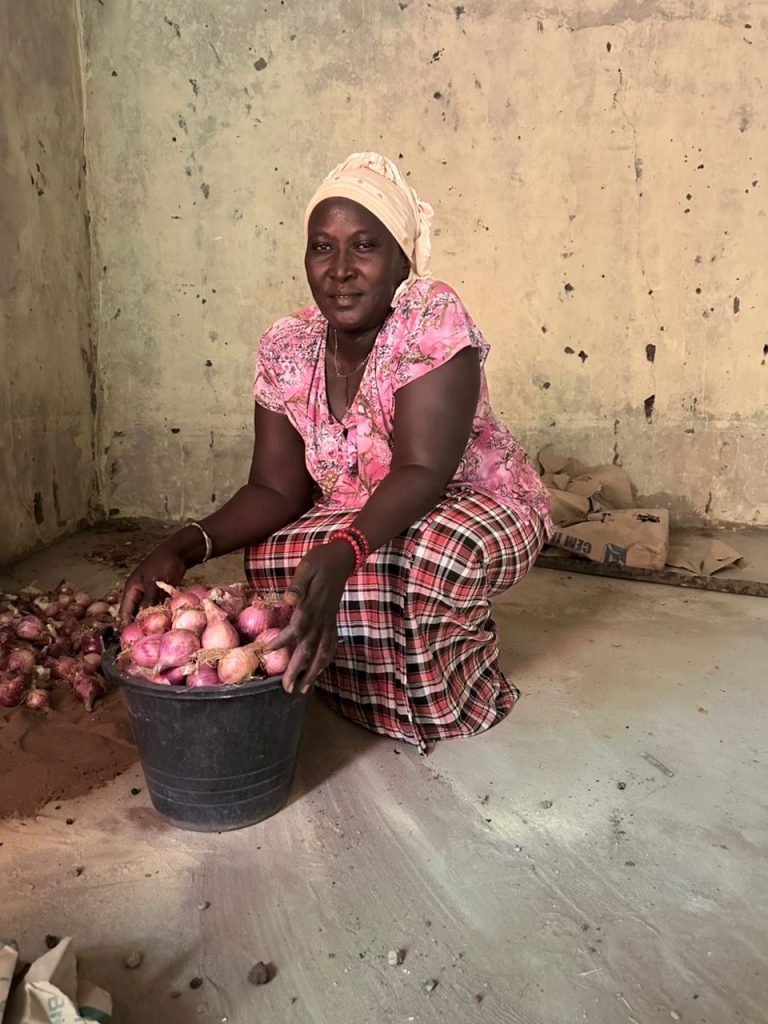
A significant share (78.7%) of farmer women engaged in rainy season farming in 2025, compared to 56.8% in 2024, showing a clear shift towards year-round farming. This reflects successful efforts to support diversification beyond rice farming. Among those who still cultivated only rice, the main reason reported was family pressure (61.5%), highlighting the social factors on farming decisions.
Also FMNR beneficiaries showed high levels of production and income, supported by improved soil conditions and land productivity. Despite some limitations in data collection, the available results indicate strong improvements in both income and food security over time. Revolving fund beneficiaries also experienced steady progress, with average monthly income increasing by 53%. All loans were paid back on time.
Looking ahead, women farmers themselves identified food processing as the most important area for further training. This has been reflected in the 2026 plans, where strengthening food processing skills will be a central focus. Also, solar kiosk, funded by EKOenergy, will be constructed along the Trans Gambia Highway later this year, which will offer a new marketplace for the farmers of Jiffarong and Sankandi, to make more profit and reach new customers.
Overall, the results show clear progress towards stronger and more sustainable livelihoods for the farmers.